2:46:31 PM | 8/12/2026

Tuyen Quang boasts an expansive tourism landscape that attracted nearly 4 million visitors in 2025. To turn these resources into a lasting competitive edge, the province is restructuring its tourism offerings, investing in high-quality infrastructure, and building a heritage economy that ensures local communities are the primary beneficiaries of tourism.
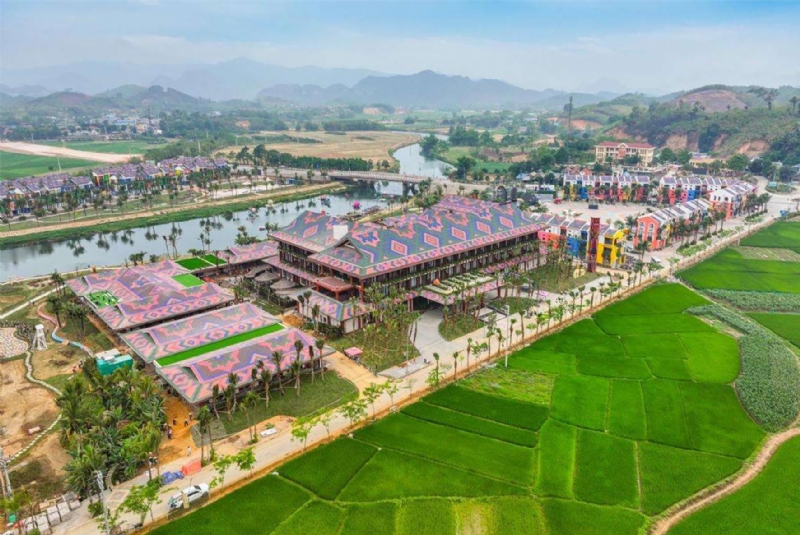
Flamingo Tan Trao, reflecting Tuyen Quang's strategy to attract strategic investment in high-quality tourism
Upgrading tourism landscape to enhance the visitor journey
Following the merger, Tuyen Quang has created a broad tourism landscape with year-round offerings. Spring features traditional festivals and spiritual tourism; summer centers on ecotourism in the Na Hang-Lam Binh area and the My Lam hot mineral springs; autumn offers golden rice season experiences and buckwheat flower festivals; while the final months of the year focus on journeys through the UNESCO Global Geopark Dong Van Karst Plateau alongside indigenous highland traditions.
"The challenge for Tuyen Quang's tourism sector after the merger is not a shortage of resources or seasonal options. The key task is linking tourism hubs into an interconnected value chain, giving visitors reasons to stay longer, spend more, and fully engage with the province's cultural and ecological landscape rather than treating trips as isolated stops," said Nguyen Trung Ngoc, Director of the Tuyen Quang Department of Culture, Sports and Tourism.
Resolution 92-NQ/TU, Resolution 23/2026/NQ-HDND, and the Tourism Development Plan through 2030 (Decision 1471/QD-UBND) establish the policy foundation for this reorganization. By connecting the Dong Van Karst Plateau, the Tan Trao Special National Historic Site, the Na Hang-Lam Binh Ecotourism Area, the My Lam hot mineral springs, and local indigenous villages into a unified system, Tuyen Quang can transition from isolated destinations to a complete tourism ecosystem.
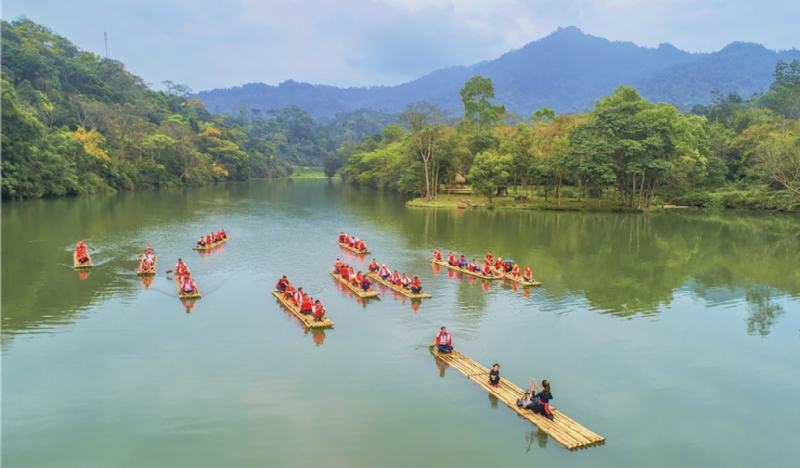
Then Practices, a UNESCO-inscribed intangible cultural heritage element (Photo: Nguyen Manh Cuong)
Investing in high-quality infrastructure to spur a heritage economy
Although visitor numbers keep rising and the tourism landscape broadens, Tuyen Quang's high-end infrastructure has yet to match its full potential. The province now offers 1,517 accommodation facilities with roughly 14,600 rooms, though the market centers largely on guesthouses, homestays, and small hotels. Upscale tourism infrastructure continues to develop, currently featuring one five-star hotel, two four-star hotels, and a few resorts, including P'apiu Resort and H'Mong Village.
According to Nguyen Trung Ngoc, Tuyen Quang's goal goes beyond merely expanding room capacity. The province wants a high-quality service ecosystem that can attract and hold international tourists, leisure guests, MICE delegates, and high-spending visitors. Reaching this target requires channeling investment into core assets that raise overall destination standards and deliver widespread regional benefits.
Under the provincial plan, investment capital targets key locations. My Lam serves as a wellness and healthcare resort hub; Tan Trao as a historic site; Na Hang–Lam Binh as an ecological corridor; and the Dong Van Karst Plateau as a geological and highland cultural destination. Guided by conservation principles, major investments protect local identity while improving service standards, expanding market reach, and raising overall destination value.
With 663 intangible cultural heritage elements, 53 nationally recognized heritage sites, and UNESCO-inscribed Then Practices, Tuyen Quang possesses a rich cultural foundation. Resolution 92-NQ/TU establishes strict conservation principles that prohibit sacrificing the environment or cultural identity for short-term economic gain. Meanwhile, the province links conservation directly to sustainable livelihoods. Through Resolution 23/2026/NQ-HDND, 13 financial policies offer direct aid to residents for building homestays, preserving traditional homes, maintaining ethnic performance troupes, and managing tourism sites. Additionally, 43 Meritorious Artisans and three People's Artisans play a central role in passing down heritage and keeping it active within community life.
The application of VR360 technology, QR codes, online payment systems, and management training under the Swiss Tourism for Sustainable Development Project (ST4SD) helps local residents engage more deeply in the tourism value chain. Technology preserves cultural identity while boosting destination competitiveness.
"The foundation of the heritage economy requires that local people are neither sidelined nor turned into 'hired performers' in their own cultural space. They must serve as custodians of heritage, creators of tourism products, and direct beneficiaries. When communities earn a living from heritage and take pride in it, that creates the strongest shield for preserving authenticity against commercial pressure," Nguyen Trung Ngoc emphasized.
The next phase of Tuyen Quang's tourism development is not simply about increasing visitor numbers. It also aims to improve destination quality by developing modern tourism services alongside heritage conservation while ensuring local communities remain at the center of the tourism economy and directly benefit from tourism growth and heritage preservation.
By Ha Thanh - Trinh Long, Vietnam Business Forum