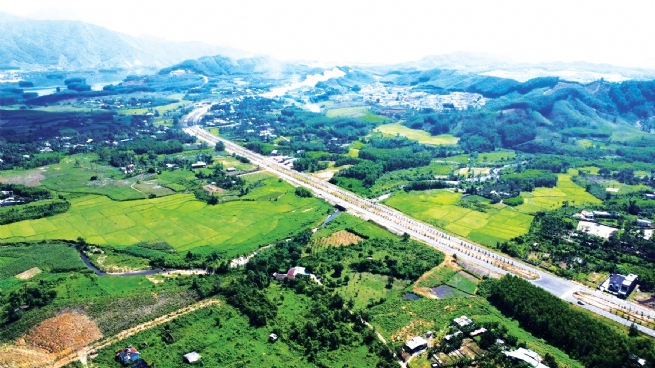
In 2026, Vietnam is targeting total trade turnover of over US$1 trillion. As logistics costs rise, moving beyond fragmented thinking to build a regionally connected ecosystem for industrial parks (IPs) and economic zones (EZs) is key to sustaining export gains and growth.
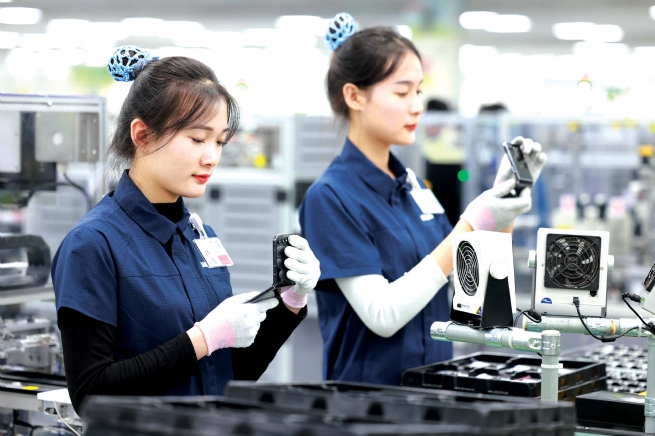
After four decades of attracting foreign direct investment (FDI), Vietnam is entering a key phase to attract higher-quality capital, especially in technology and innovation.
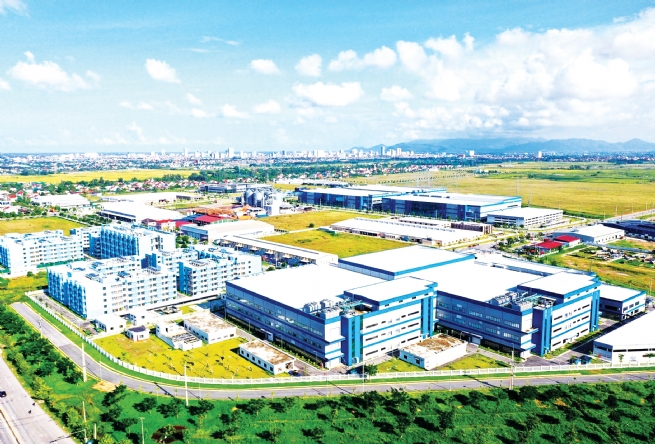
For decades, Vietnam’s 400 plus industrial parks have powered the country’s economic rise - attracting investment, creating jobs, and driving exports. Today, they face a defining test: can they transform fast enough to remain competitive in a world rapidly shifting toward low-carbon, climate-resilient supply chains?
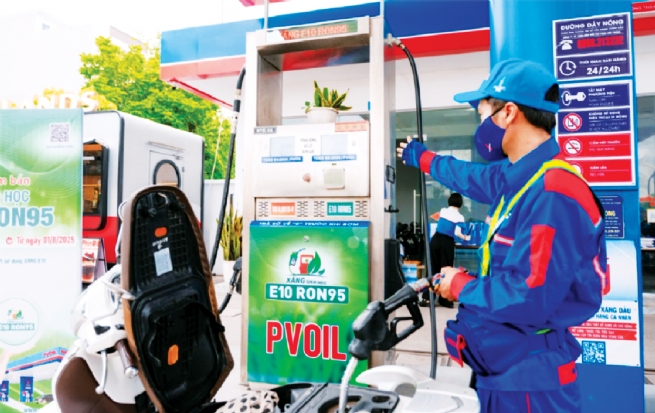
Recent large swings in fuel prices have increased the risk of violations related to tax and invoicing in the fuel trading sector, creating a pressing need for Vietnam to strengthen oversight and supervision.
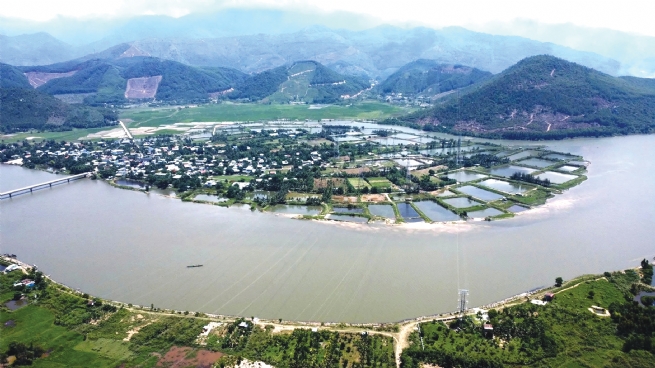
As the world moves into a phase of supply chain realignment and competition for investment among countries and localities intensifies, economic centers are expected not only to expand production but also to improve growth quality and engage more deeply in higher value-added segments of the global value chain.
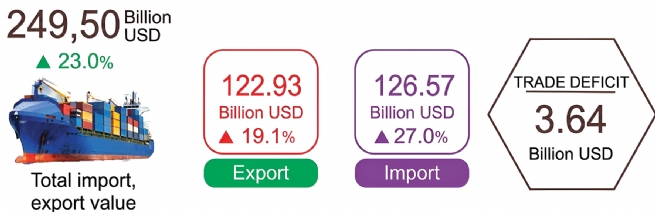
Vietnam’s trade surged, with total turnover reaching US$249.5 billion in the first quarter (Q1) of 2026. However, behind the 23% increase is a reversal in the trade balance, shifting from a surplus to a deficit of US$3.64 billion, reflecting changes in the production cycle and rising global geopolitical pressures.

Amid intensifying competition to attract global investment flows, the Government’s issuance of Resolution 86/NQ-CP on the national strategy for innovation-driven startups is seen as a key move.
Tensions in the Strait of Hormuz are directly threatening the global oil supply, placing Vietnam under pressure to accelerate energy self-sufficiency. In this context, advancing biofuel production, starting with E10 gasoline, has moved beyond environmental goals to become a strategic pillar: reducing reliance on imported supply and creating new momentum for the domestic agricultural value chain.

Amid heightened volatility in the global economy, as export opportunities are no longer as easily tapped as before, the domestic market is increasingly seen as a key growth driver.
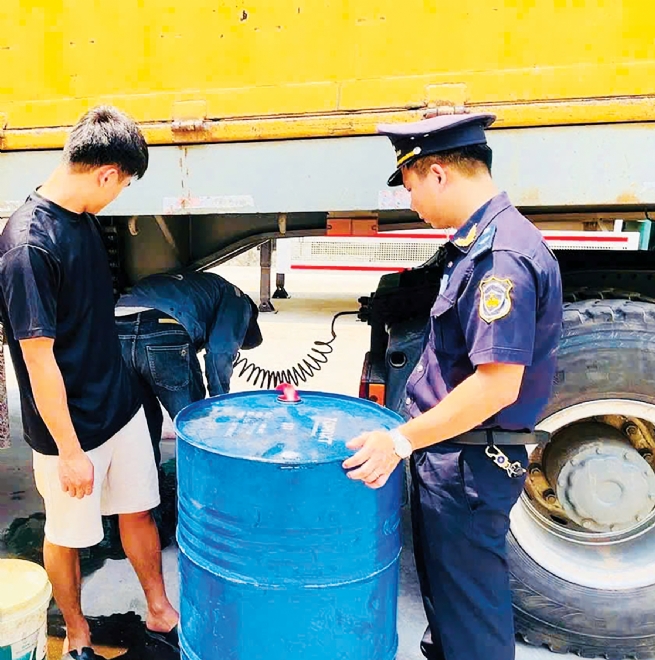
In response to urgent government direction to strengthen control of the fuel market, Vietnam’s customs forces have been implementing coordinated patrol and monitoring measures at border gates and seaports, enabling timely detection and prevention of smuggling and trade fraud, helping stabilize supply and maintain market discipline.
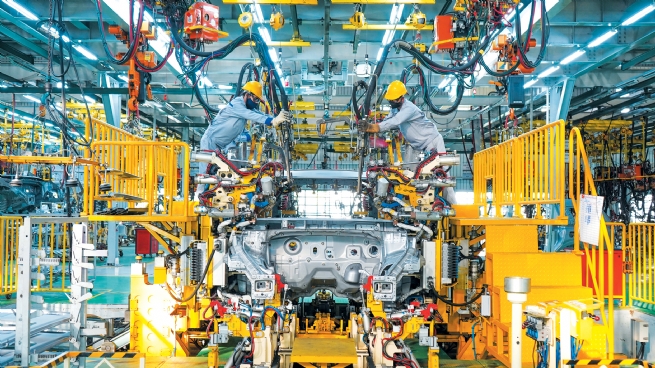
As part of the roadmap to make Vietnam an industrialized country with upper-middle income by 2030, and later a high-income developed economy by 2045, the Vietnamese business community as a whole, and the supporting industries sector in particular, is expected to take a leading role in production and business activities.


 Vietnamese