

9:04:36 AM | 12/31/2025

As major import markets tighten green standards at the same time, Vietnam’s exports face a critical choice: adopt dual transformation, combining green transition and digital transformation, to meet the new rules or risk being pushed out of global supply chains.
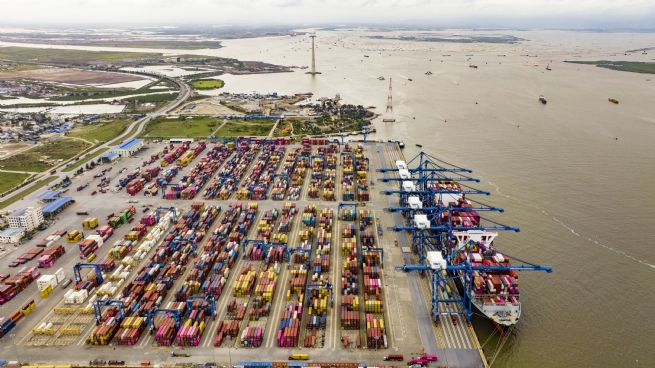
As of November 15, Vietnam’s exports reach US$410.28 billion
The economic picture in the first ten months of 2025 remained positive, with total trade estimated at US$762 billion, up 17.4%, and a trade surplus nearing US$20 billion. However, despite this growth, rising pressure from new green compliance requirements is affecting export orders. The phase of growth based on low costs, low skilled labor, and raw materials is ending, making way for stricter environmental and sustainability standards.
Dual transformation is needed
The pressure is immediate, as January 1, 2026 marks the full implementation of the European Union Carbon Border Adjustment Mechanism (CBAM), which requires importers to pay for the carbon emissions in their products. This rule directly affects steel, cement, aluminum, and fertilizer. At the same time, the European Union Deforestation Regulation (EUDR) is adding pressure on major export sectors such as wood, coffee, and rubber by requiring proof that products are not tied to deforestation after December 31, 2020 and supported by GPS verified land plot data.
Traceability, Forest Stewardship Council (FSC) certification, Program for the Endorsement of Forest Certification (PEFC) certification, and supply chain control are no longer competitive advantages but have become mandatory requirements for entering the European Union market. The strictness of these green standards applies to all businesses, from large corporations to small subcontracting factories. If companies cannot provide transparent carbon footprint data, they face a real risk of being excluded from global supply chains.
In practice, Vietnam’s green transition still faces a major barrier: the absence of unified measurement standards. Nguyen Dinh Tung, Chairman of Vina T&T Group, said that although the company has implemented emissions monitoring, renewable energy use, and internal standards, proving emissions levels according to each market’s requirements remains difficult. This makes the development of national carbon neutrality standards urgent.
Beyond carbon measurement, companies must also meet strict non-tariff barriers related to food safety. Hoang Thi Lien, Chairperson of the Vietnam Pepper and Spice Association, emphasized that the EU closely monitors pesticide residue. For crops that are vulnerable to pests, chemicals may be necessary, but the dosage must be strictly controlled according to each market’s regulations to meet standards and increase product value.
In the competition to meet green standards, capability gaps among business segments are widening. Foreign invested enterprises benefit from stronger capital and technology, allowing faster transition, while small and medium enterprises face significant obstacles. According to Dinh Hong Ky, Vice Chairman of the Ho Chi Minh City Business Association, 65% of companies face financial challenges when implementing green projects, and only about 12% have staff knowledgeable about ESG, slowing the transition process.
According to Hoang Duong Tung, Chairman of the Vietnam Clean Air Network, one contributing factor is that banks lack clear criteria for assessing and financing green projects. Developing sector specific standards soon will help guide corporate investment and enable banks to support green projects more effectively.
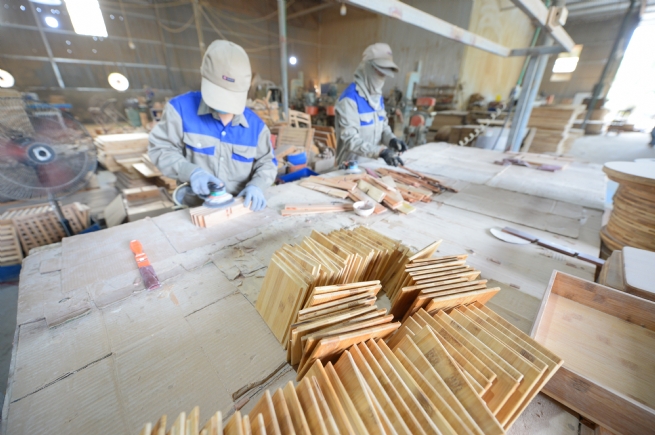
Major import markets tighten green standards, increasing pressure on Vietnam’s export sectors such as wood, coffee, and rubber
Pressure to change mindsets and policies
As green barriers grow stricter, many Vietnamese businesses see dual transformation as a solution. Technology enables transparent data, optimized operations, and the shift of ESG requirements from burdens to competitive advantages.
However, transformation is not simply about spending money or purchasing equipment. According to Tran Thi Thu Trang, Chair of Hanel Production and Import-Export Joint Stock Company, the decisive factor is people and governance because ESG requires a comprehensive internal shift that demands consensus across the entire organization. The traditional mindset of “cost” must also shift to “investment”, as emphasized by Nguyen Quoc Khanh, Executive Director of R&D at Vietnam Dairy Products JSC (Vinamilk): “Overcoming the green barriers of Europe or Japan will allow Vietnamese products to enter higher value segments.”
On the government side, policy makers are accelerating the transition. Vietnam Trade Promotion Agency (VIETRADE) is finalizing the Go Global Program 2026-2035 to help businesses expand markets, lead value chains, and promote green transformation through a connected ecosystem involving the state, businesses, and localities.
Vietnam’s long-term vision has become clearer as the carbon credit market is expected to begin pilot implementation at the end of 2026. The period 2025-2028 will focus on building technical infrastructure and a management framework, with full operation and emissions quota auctions starting in 2029. Companies that begin emissions measurement and reduction early will gain dual benefits: maintaining orders from demanding markets and generating carbon credits that can be sold.
The biggest challenges today are the lack of emissions data and high inventory costs, especially for small and medium enterprises, while only a few domestic institutions currently meet international inventory standards. As a result, many businesses must sell carbon credits through intermediaries, which increases costs and reduces incentives to invest.
Even so, the potential of Vietnam’s carbon credit market is substantial. According to Vo Hoang Hai, Deputy CEO of Nam A Joint Stock Commercial Bank, sectors such as renewable energy, low emissions agriculture, and afforestation could all become major sources of carbon credits. If digital trading platforms linked to green products are developed, carbon credits could become a channel for attracting international capital while creating strong incentives for businesses to pursue sustainable transformation.
By Huong Ly, Vietnam Business Forum
 April 24–25, 2026
 Kinh Bac Cultural Center, Bac Ninh Province


 Vietnamese





