11:09:04 AM | 6/24/2026

By 2050, one in every two-to-three people in Asia-Pacific will be 60 or older. Regional medical community warns healthcare systems must prepare for an ageing-related RSV surge.
More than 120 leading respiratory and public health experts from across the Asia-Pacific gathered in Ho Chi Minh City for the 2026 RSV Symposium: Strong Breath, Peaceful Living, convened by the Vietnam Association of Preventive Medicine (VAPM) with scientific support from Pfizer. As ageing populations, rising chronic disease and seasonal respiratory infections create new public health challenges across the region, the symposium focused on the under-recognized burden of respiratory syncytial virus (RSV) in older adults and the preventive strategies that may help address it.

Overview of the 2026 RSV Symposium with the theme “Strong Breath, Peaceful Living”, focusing on the under-recognized burden of RSV in older adults
Opening the symposium, Prof. Phan Trong Lan, MD, PhD, President of the Vietnam Association of Preventive Medicine highlighted why RSV requires renewed attention in the context of ageing populations and rising chronic disease burden.
“Population ageing is reshaping the health landscape across many Asia-Pacific countries, with a growing number of older adults living with chronic conditions and increasingly complex health risks. And RSV is not a mild respiratory infection - it can worsen underlying conditions, lead to hospitalization and prolonged functional decline in this vulnerable population. Healthy breathing is not only about healthy lungs. A peaceful life is not only about living longer. The ultimate goal of prevention is not only to avoid illness, but to help people maintain mobility, independence, and quality of life as they age." said Prof. Phan Trong Lan.
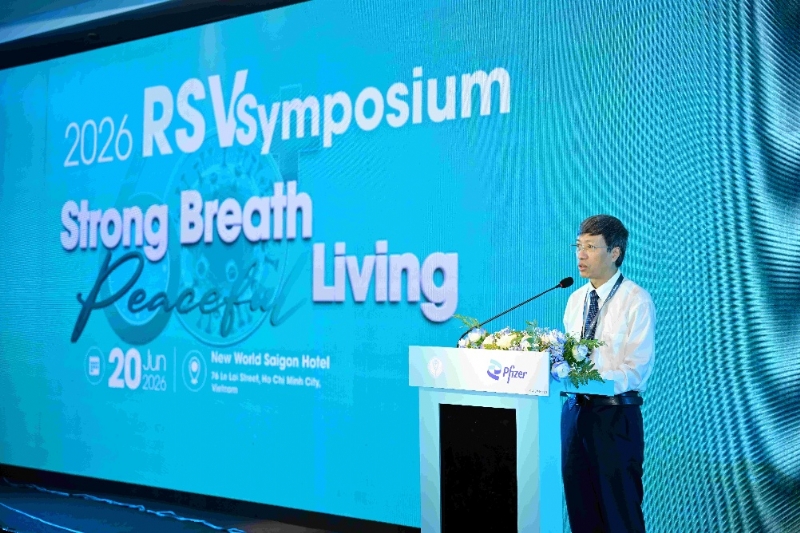
Prof. Phan Trong Lan, MD, PhD, President of the Vietnam Association of Preventive Medicine highlighted that RSV requires greater attention amid ageing populations and rising chronic disease burden
This shift is visible across Asia-Pacific. By 2050, the number of people aged 60 years and above in the region is projected to reach approximately 1.3 billion, driving increased healthcare demand and a growing burden of chronic conditions such as cardiovascular disease, diabetes and chronic respiratory diseases.
For older adults, RSV is not always a brief respiratory illness. In those with chronic conditions, RSV may worsen existing disease, lead to hospitalisation and affect independence even after the acute infection has passed. This makes awareness, early recognition and risk management important parts of healthy important parts of healthy aging.
As the provider of scientific support to the symposium, Pfizer Vietnam reaffirmed its commitment to supporting the medical community in advancing scientific dialogue and raising awareness of respiratory diseases affecting older adults.
“In the context of rapid population aging, protecting respiratory health in older adults is becoming increasingly important. This requires close collaboration among healthcare professionals, policymakers, and others. Through the 2026 RSV Symposium: Strong Breath, Peaceful Living, Pfizer aims to support VAPM and the regional scientific community to convene a platform where experts can exchange perspectives and experiences and explore practical approaches to improving quality of life for older adults in the future,” said Mr. Mark Kuo, Country Manager, Vietnam and Thailand, Pfizer.
RSV can lead to serious health outcomes in older adults
Experts at the symposium discussed the relationship between RSV and chronic conditions such as chronic obstructive pulmonary disease, asthma, cardiovascular disease, and diabetes. While these underlying conditions increase the risk of severe RSV disease, RSV itself can exacerbate existing conditions, potentially increasing the risk of cardiovascular events such as heart attack and stroke, or severe exacerbation in patients with chronic obstructive pulmonary disease or asthma.
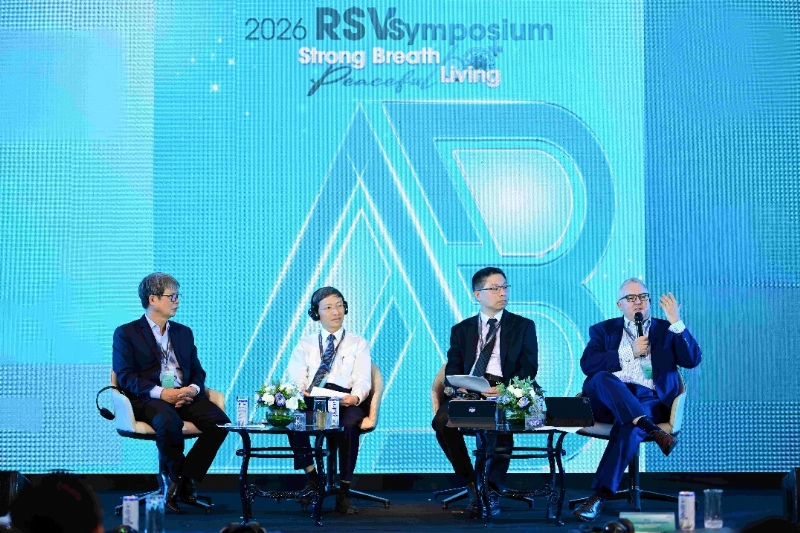
Experts discussed the link between RSV and chronic conditions; noting that underlying conditions increase the risk of severe outcomes while RSV may worsen existing conditions
These risks can translate into more severe hospital outcomes, with studies showing RSV-related hospitalizations may be comparable to, or more severe than, influenza in this age group. Even after recovery from the acute infection, some patients may continue to experience longer-term consequences, including reduced lung function, cardiovascular complications, recurrent hospitalizations and loss of independent living. Regional modeling further suggests a substantial RSV burden among older adults across Southeast Asia, including Vietnam, where projected RSV-related acute respiratory infection cases over five years point to the need for greater awareness and risk management.
Beyond chronic disease, common regional risk factors may further worsen RSV severity. Smoking, which remains prevalent in parts of Southeast Asia, can impair respiratory function and increase the likelihood of severe disease progression among older adults. Prof. Wei Chih Chen, MD, PhD, Director, Division of Respiratory Therapy, Department of Chest Medicine, Taipei Veterans General Hospital, noted that this makes prevention and risk management increasingly important as the region ages.
“As more people live longer across Asia-Pacific, healthcare systems will need to manage a growing burden of respiratory infections among older adults. For RSV, this means strengthening awareness, recognizing high-risk individuals earlier, and moving towards more preventive approaches that can help reduce severe outcomes and pressure on healthcare systems,” said Prof. Wei Chih Chen.
This need is becoming more urgent as several countries across the region, including Australia, Canada, China, Japan, Singapore and South Korea, have reported a substantial RSV burden among older adults, with an estimated 778,000 hospitalizations and approximately USD 2.8 billion in medical costs.
Prevention and awareness: key to addressing RSV care challenges in older adults
One of the greatest challenges today is that RSV infection in older adults remains under-recognized relative to its actual burden. Although RSV has long been associated with respiratory illness in young children, awareness of its impact on older adults remains limited in many countries.
Diagnosing RSV in this population is also challenging, as symptoms are often non-specific and may overlap with other respiratory infections. In some cases, co-infections, such as with COVID-19, can further complicate diagnosis. In addition, limited epidemiological data in many parts of the region mean that the true burden of RSV is still not fully captured.

Assoc. Prof. Dr. Do Van Dung, Senior Lecturer, Vice Chair of the Scientific and Training Council, University of Medicine and Pharmacy at Ho Chi Minh City
Assoc. Prof. Dr. Do Van Dung, Senior Lecturer, Vice Chair of the Scientific and Training Council, University of Medicine and Pharmacy at Ho Chi Minh City, said improving recognition and measurement of RSV burden will be critical to strengthening care for older adults.
“The challenge of RSV infection in older adults lies not only in the disease itself, but also in accurately recognizing and measuring its burden. When awareness remains limited, data are fragmented, and diagnostic practices are inconsistent, RSV in older adult’s risks continuing to be underestimated despite its significant health impact.”
Experts agreed that improving awareness of RSV should be integrated into a broader strategy for healthy aging. Early identification of risk factors, a better understanding of RSV’s impact and advances in preventive care offer opportunities to reduce disease burden, limit severe outcomes and improve quality of life among older adults.
Closing the scientific discussion, Prof. Grant Waterer, MD, PhD, Professor of Medicine, University of Western Australia, and Adjunct Professor at Northwestern University, Curtin University and Edith Cowan University, emphasized the importance of prevention and early risk management as aging populations place greater pressure on healthcare systems.
“As the number of older adults continues to grow, healthcare systems will face increasing pressure from respiratory infections such as RSV. Experience from other countries shows that investing in community awareness, prevention and early risk management can help ease system burden while supporting older adults in maintaining their health and independence for longer,” said Prof. Grant Waterer.
Source: Vietnam Business Forum