10:34:04 AM | 6/22/2026

Over the past decade, Vietnam has emerged as one of Asia’s most attractive manufacturing destinations, supported by competitive labor costs, a strategic geographic location, and deep integration into global supply chains. However, from the perspective of RSL Group, a company specializing in industrial investment promotion and a long-time partner of international investors in Vietnam, the competition to attract foreign direct investment (FDI) is now entering an entirely new phase.
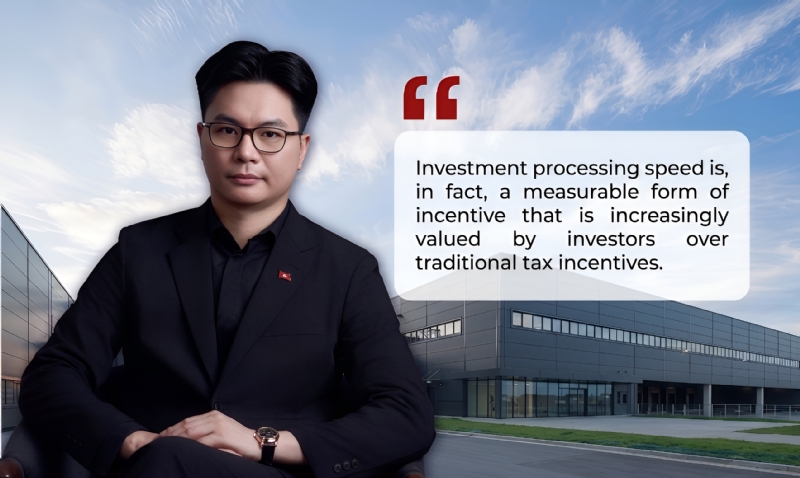
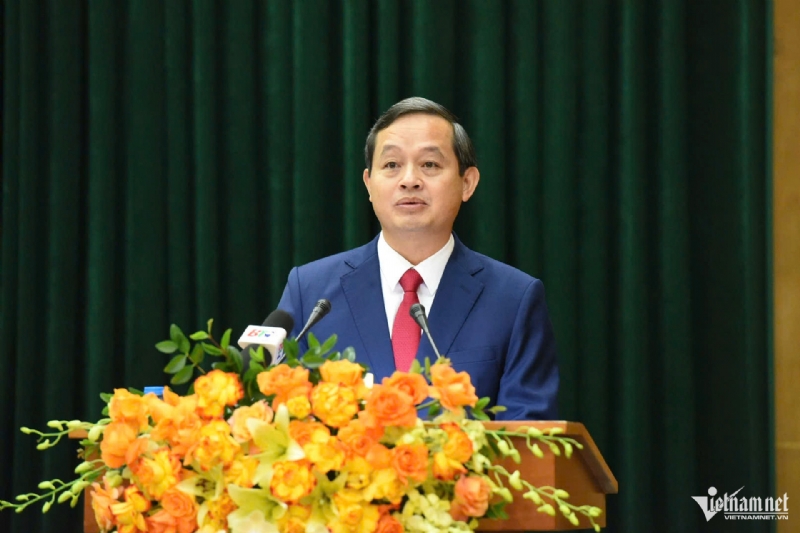
Chairman of RSL Group Dao The Anh
Where foreign businesses once focused primarily on securing suitable industrial land and competitive costs, they are now placing greater importance on project implementation speed, policy consistency, administrative support, and the practical operating capacity of each locality. In other words, Vietnam is gradually shifting from attracting FDI through cost competitiveness to attracting investment through its ability to support fast and efficient project implementation.
Fast and efficient support becoming a competitive edge
The restructuring of global supply chains, combined with prolonged trade and geopolitical tensions, has created mounting pressure for manufacturers to reposition production within very short timeframes. For corporations investing in Vietnam in electronics, precision engineering, and supporting industries, waiting through implementation schedules that stretch over several years is no longer realistic. They need factories operational within 12 to 18 months, and every delay translates directly into opportunity costs. A project delayed by just a few months can immediately affect delivery schedules, operating expenses, and a company’s ability to participate in supply chains.
Where the opening question in market surveys once centered on “How much is the land lease here?”, the focus has now clearly shifted to “How long does it take from signing the contract to beginning construction?” and “How are construction permits and environmental approvals handled here?” These are no longer procedural questions. They have become a direct measure of investor confidence in the real operating capacity of a market.
“Over the past one to two years, we have come to see the speed of investment procedures as more than just a supporting factor. In practical terms, it has become a measurable incentive, and investors are increasingly valuing it more highly than traditional tax incentives,” said Dao The Anh, Chairman of RSL Group.
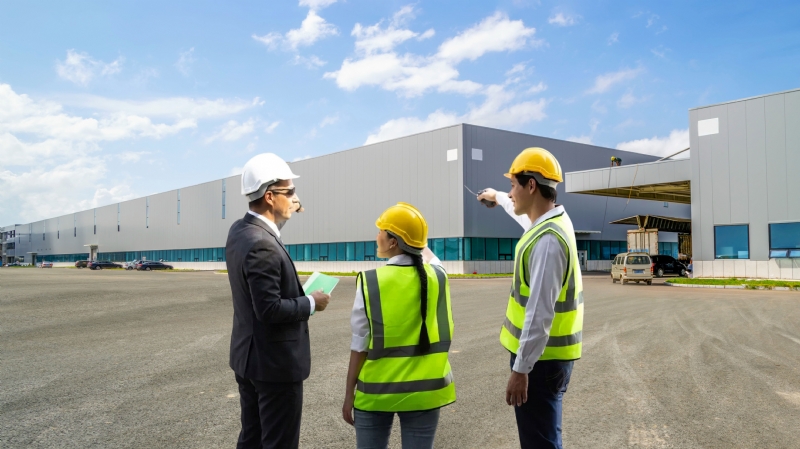
Over the past decade, Vietnam has emerged as one of Asia’s most attractive manufacturing destinations
Vietnam entering a higher level of competition
In the competition to attract FDI among countries and localities, tax incentives are no longer the only deciding factor. Instead, the ability to support businesses and deliver fast implementation is gradually becoming a more important competitive advantage, with increasingly clear differences emerging across localities.
In reality, provinces and cities that have proactively pursued meaningful reforms, shortened document processing timelines, operated one-stop administrative mechanisms effectively, and maintained direct dialogue channels with FDI businesses are attracting projects with stronger technological content and higher value-added. Meanwhile, localities that have yet to turn reform commitments into practical day-to-day execution are gradually losing their competitive advantage, even when industrial land and infrastructure remain readily available.
This trend is expected to become even more pronounced in the coming period as next-generation FDI flows continue to evolve. In strategic sectors such as electronics, semiconductors, high technology, and supporting industrial manufacturing, the fast-track trend for investors is becoming increasingly clear.
Vietnam has built a strong foundation during the earlier phase of attracting FDI through cost advantages and geographic positioning. The challenge and opportunity of the next phase lie in the country’s ability to build a truly professional, transparent, and dependable investment environment, together with the agility of its management system and broader investment climate. The goal is not to become the lowest-cost market, but to become the market international investors trust as a long-term destination. That is the position Vietnam should aim to secure.
Source: Vietnam Business Forum