

3:40:22 PM | 4/3/2026

From a mountainous area once limited by infrastructure to a globally recognized destination, Topas Ecolodge has helped shape sustainable tourism in Sa Pa. In a conversation with Tran Ngoc Quan, Chief Operating Officer of Topas Group, the discussion goes beyond a single ecolodge, offering a perspective on balancing business growth, nature conservation, and sustainable livelihoods for local communities, which are shaping the future of tourism in Lao Cai province.
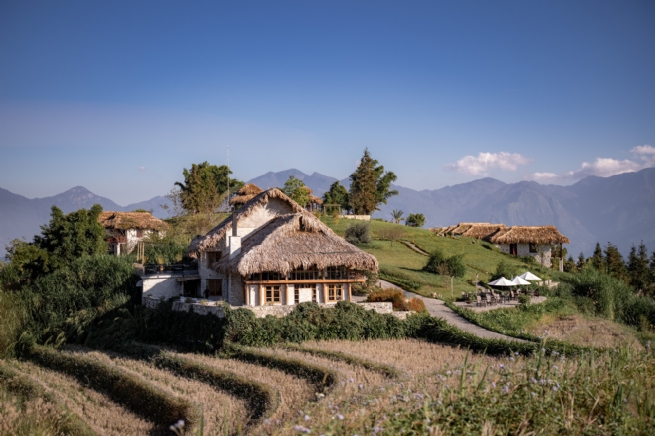
Topas Ecolodge strives to ensure minimum impact on the surrounding environment while offering guests an immersive local experience
Looking back at the investment journey of Topas Ecolodge in Sa Pa, what are the most significant milestones and the biggest lessons for an international business developing a project in a mountainous province like Lao Cai?
Our journey began in 1993, a time when "sustainable tourism" was still a new concept in Vietnam. Topas Travel first began exploring the remote regions of Northern Vietnam with the help of a local Vietnamese family, and quickly fell in love with the area’s wild nature and incredible mountain passes. Then the question was how to create a comfortable base near enough to the surrounding ethnic minority villages yet far enough from any population to be a true retreat into nature.
With that in mind, the most significant milestone was our founding in 2005 as one of the first true "ecolodges" in Vietnam, followed by its recognition as a Unique Lodge of the World by National Geographic.
The biggest lesson for an international business in a mountainous region is patience and harmony. We learned that success depends on working with the landscape and the ethnic minority communities, ensuring they are partners in our growth rather than just observers.
At first, we considered building all structures from wood, but it was made apparent that wood houses might only last 10 years due to the harsh climate. So, we looked to Sa Pa’s history, more specifically, Notre Dame Cathedral, which has been standing since 1902 in the town square. Built from beautiful, white granite and held together with a mixture of sand, lime, and molasses, the stunning structure had stood the test of time for more than 100 years. Then, the process began of bringing in the materials, using 4-wheel drive Ladas and wheelbarrows to carry each granite piece to our chosen location, and then building solid stone wall structures. We hope our bungalows will stand the test of time, just as Notre Dame Cathedral has done in Sa Pa town.
This "bird’s eye view" vision was only possible through the partnership of local authorities, villagers, and the synergy between Vietnamese architects and Danish construction experts. We learned to let nature lead and to empower the local community to be "owners" of the experience rather than just observers. Our success today proves that business is only sustainable when both nature and the local people thrive alongside it.

In your point of view, what is the key competitive advantage of Lao Cai in attracting high-quality tourism and services today, especially with the commencement of the Lao Cai – Hanoi high-speed railway and the upcoming Sa Pa airport?
Lao Cai’s advantage lies in the convergence of cultural depth and majestic natural beauty, combined with an increasingly sophisticated and diverse range of accommodation and activities for tourists.
We possess the majestic Hoang Lien Son range and the authentic identity of the local culture including the many ethnic groups of Sa Pa. Alongside Topas Ecolodge, Lao Cai also now has a range of high-end accommodation options, catering to the diverse tastes of every more discerning travellers. The climate of Sa Pa, with its cooler temperatures and varied seasons, each with its own appeal, is a further competitive advantage.
Furthermore, being a gateway to China creates another advantage in attracting a diverse international market.
The high-speed railway and Sa Pa airport will make Sa Pa a significantly more accessible destination. It will allow Sa Pa to be added to more itineraries. We can envisage more inbound tourists including Sa Pa on their Vietnam tour together with other highlight destinations such as Hoi An and Ha Long Bay.
The airport will also open up Sa Pa to more high-end domestic travellers, particular from the key market of Ho Chi Minh City.
High-end guests who lack time to travel are willing to pay a premium to cut travel time and reach Sa Pa to enjoy its pure air, majestic landscapes, privacy, and authentic cultural encounters.
Given your global operating standards, how do you evaluate the changes in Lao Cai's investment and business environment in recent years? Which reform has made the strongest impression on international investors?
We highly value the shift from a "management" mindset to a "partnership" mindset from the provincial government. The investment environment has become significantly more transparent.
What impresses us most recently is the province's commitment to "Green Growth” with a focus on preserving natural heritage which is the most valuable "guarantee" for long-term international investors.
Furthermore, recently, Topas Ecolodge has been honored to share our practical experience in sustainability with the province and other market players at Lao Cai Travel Trade Fairs and different forums. We believe that by working together and sharing these insights, we can collectively build a more resilient and ethical business ecosystem for Lao Cai.
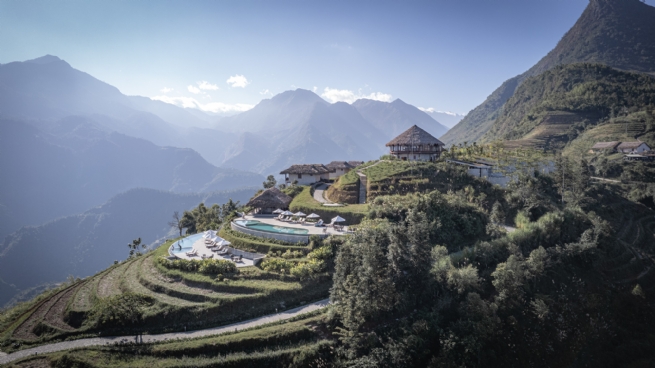
Topas Ecolodge has helped shape sustainable tourism in Sa Pa
How does Topas balance business growth, nature conservation, and creating sustainable livelihoods for the local community?
At Topas, sustainability is one of our core values, not a slogan.
Environment: Using plastic-free initiatives (eco-tokens, green leaf initiative) and advanced wastewater treatment and glass recycling. In terms of green impact, we have many initiatives, from wastewater treatment to plastic reduction, food waste reduction and minimizing energy use.
Community: Over 90% of our staff are from local ethnic villages, and Pham’s journey perfectly captures this spirit. Originally a local artisan selling fabrics at Topas Ecolodge entrance, she joined our kitchen team as a dishwasher in 2020. And her rapid growth saw her transition to a full-time waitress, and just after one year, she proudly won the prize for the best wine waitress at Topas Ecolodge. Today, she remains as a shining example of the talent and dedication found within our community.
Economy: We support local supply chains by sourcing food and crafts from nearby farmers. We don't just provide jobs; we provide careers and education through our hospitality training programs.
With the massive upgrades in transportation infrastructure, what transformations do you expect for Topas Ecolodge and the Sa Pa – Lao Cai tourism ecosystem regarding markets, guest segments, and service standards?
We anticipate a "quality revolution." With the new airport and high-speed railway, Sa Pa will transform from a busy weekend destination into a year-round "sanctuary," attracting affluent travelers and high-end MICE segments.
All segments remain valuable to the overall tourism economy – guests staying in local homestays are directly contributing at the village level. This segment may also see growth with the train and airport opening. However, the opening of the airport and railway will have a larger impact on the higher end market, giving resort and 5-star hotel guests more convenient and therefore attractive access to the mountains of Sa Pa.
With a vision toward 2035 – 2050, how do you envision the role and development direction of Topas Ecolodge within the new economic, tourism, and urban space that Lao Cai province is creating?
Looking forward to 2050, Topas Ecolodge aims to continue to be the symbol of sustainable luxury in Southeast Asia. In the new economic-urban space of Lao Cai, Topas will not just be a property, but a core part of a protected green corridor. We will continue to lead in "sustainable tourism" - not just minimizing harm, but actively improving the environment and social fabric of the region as Sa Pa evolves and its place on the world tourism stage becomes more prominent.
Thank you very much!
Source: Vietnam Business Forum


 Vietnamese





