

10:01:09 AM | 4/24/2020

In a recent survey conducted by CEL Corporation in late March, 83% of companies in the physical value chain in Vietnam (retailers, shippers, traders and producers) have been suffering from supply issues over the past two months. 47% of them faced difficulties with Chinese supplies, largely involved in raw materials.
Shrinking market demand
According to a survey by CEL, a supply chain management consultant in developed economic markets, the pandemic is affecting every country no matter how developed it is. Flights were gradually stopped. Import and export flows were delayed as human resources were not enough to run operations on the floor: stock pickers, truck drivers and machine operators.
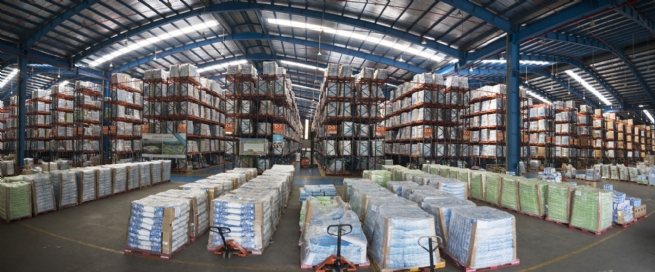
In Vietnam, demand clearly surged in some categories, such as packaged food (up 26%), dairy (up 10%) and personal care (29%). Shopping carts got significantly bigger when people started reducing the frequency of shopping. For the time being, orders are at their lowest levels, with sales of beverages, fashion goods, electronics, vehicles, agricultural products, furniture, footwear, and many other products coming to a halt both locally and globally.
Besides, according to CEL, in Vietnam and elsewhere, manufacturers and retailers’ current sales are too low to absorb fixed costs, leaving thousands of businesses with negative margins and thin reserves of cash. Export-based companies are seeing orders cancelled every day, particularly from the European Union (EU) and the United States.
Consequently, the global transport sector is also being affected and freight forwarders in Vietnam are seeing their volume drop by 25-70%. Some small and medium-sized enterprises (SMEs) already declared bankruptcy, and for others, the impact on human resources - the key adjustment variable - is being felt strongly and unemployment is threatening multiple industries. In addition, pressures on rents are getting heavier because retailers are losing their money and real estate and construction industries are being stressed. Government measures are expected to relieve these immediate pressures because the end of this crisis is still unclear.
Changing the channel
The survey by CEL also found that companies operating in retail, distribution and logistics services (excluding e-commerce and last mile delivery) reported revenue short of 25% in the first quarter and did not expect to recover this loss this year.
But as social distancing has become more urgent, urban consumers seek convenient and safe shopping alternatives for their daily family needs. E-commerce and home delivery services have become central to this evolution. People get what they need, businesses and small businesses maintain operations to a certain extent when their stores are closed, closing on-site service but continuing takeaways and last mile delivery.
Figures have not been officially published in Vietnam, but Lazada reported a 300% growth in orders in Singapore and Grab delivery surged by 200% in Bangkok. In general, a large amount of goods has moved from offline distribution channels to online channels and last mile distributors have not been able to cope with the surge of orders. One main challenge that this change is posing to domestic distribution is long-distance cargo transport. Taking North-South transportation in Vietnam as example, air and rail transport is constrained. Long-haul trucks become scarce and insufficient transport capacity causes additional delays and disruptions.
According to Mr. Julien Brun, Partner Manager at CEL, as people start getting accustomed to more systematic online purchase and home deliveries, this is likely to become a habit, and the post-crisis situation may still benefit the e-commerce and delivery sector while the offline retail sector recovers. This is certainly a fundamental new trend in the consumer goods industry.
Moreover, the crisis will also further accelerate e-government initiatives, allowing people to fulfill their administrative duties online and thus avoiding long physical queues. Once the crisis ends, it is likely that the implementation of digital solutions for consumers and citizens will increase dramatically. “This is a time when companies need to renovate and re-adapt themselves to new demands, patterns and trends. Businesses that cannot adapt quickly enough will be excluded from the game,” he stressed.
By Linh Ha, Vietnam Business Forum






 Vietnamese





