

10:57:56 AM | 4/10/2025

On April 3, 2025, U.S. President Donald Trump announced a 10% tariff on most imported goods, along with higher retaliatory tariffs on countries with large trade deficits with the U.S. Vietnam will face a 46% tariff starting April 9. However, Adam Sitkoff, Executive Director of the American Chamber of Commerce in Vietnam (AmCham), affirmed that this tariff would not lead to a mass exodus of American businesses from Vietnam. He emphasized that there is still one week left for negotiations, detailed analysis, and practical solutions to address the current situation.
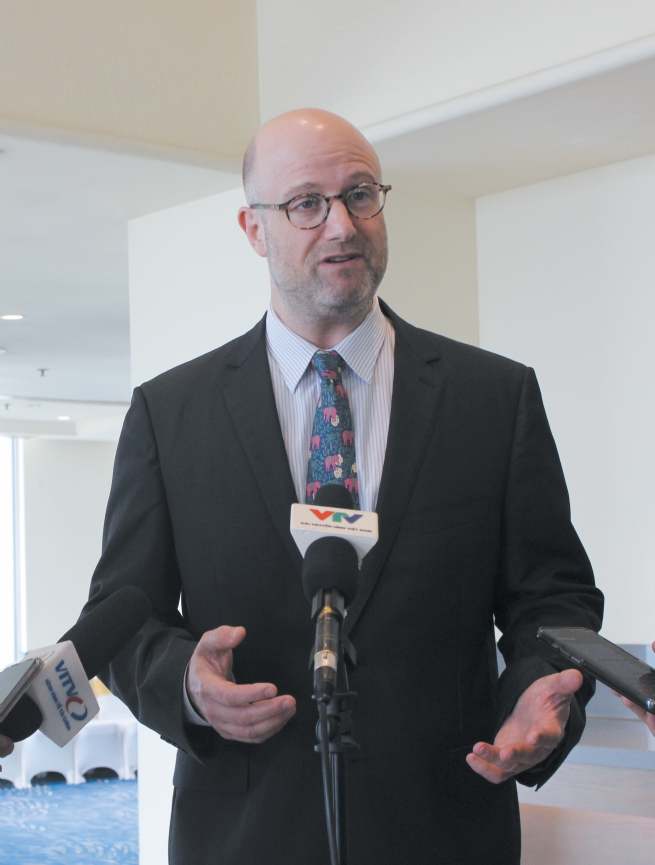 "The 46% tariff will not trigger a mass exodus of U.S. companies from Vietnam," affirmed Adam Sitkoff, Executive Director of AmCham, during the press conference on Vietnam-U.S. trade relations |
U.S. increases tariffs, Vietnamese goods struggle
Adam Sitkoff stated that 2025 marks a significant milestone as Vietnam and the United States celebrate 30 years of diplomatic relations. Over this period, bilateral trade has increased from US$ 451 million in 1994 to US$150 billion today. The U.S. has become Vietnam’s largest export market, and Vietnam is now one of the top 10 trade partners of the U.S.
He emphasized, “U.S. companies have invested approximately US$12 billion in Vietnam, creating tens of thousands of jobs and making significant tax contributions. This foundation has been established, especially since the two countries upgraded their relationship to a Comprehensive Strategic Partnership in September 2023.”
However, Sitkoff expressed concerns about President Trump’s tariff decision on April 2, 2025. “The 46% tariff the U.S. will impose on Vietnamese goods starting April 9 is one of the highest rates, but I believe we still have a week to negotiate; this is an opportunity for both sides to find a solution,” he said.
When asked about the impact of the 46% tariff, Sitkoff bluntly said that if the tariff were applied comprehensively, it would be very serious. He explained that industries such as electronics, textiles, leather goods, and agricultural products, key exports from Vietnam to the U.S., would suffer significant damage. He pointed out that price increases would drive inflation in the U.S., causing consumers to tighten their spending. He noted that instead of buying three pairs of shoes, they might only buy two. He emphasized that this would not only harm American consumers but also negatively affect economic growth and jobs in Vietnam.
Regarding the U.S. method of calculating tariffs, Sitkoff stated: “They claim that Vietnam imposes a 90% tax and trade barriers on U.S. goods, but I see this number as more of a high school exercise than a serious economic analysis. In fact, Vietnamese-made products are benefiting American consumers by offering high quality, affordable prices, and more choices.”
Adam Sitkoff believed that President Trump's concern about the trade imbalance with Vietnam is understandable. However, he emphasized the need to reconsider the way the trade deficit is calculated and the conclusion that Vietnam imposes a 90% tariff on American goods. Sitkoff recalled his meeting with President Trump in 2017, during which he explained the nature of the trade imbalance through a simple example: "I buy mangoes from a woman in Hanoi every week. Although she only sells mangoes and doesn't buy anything from me, that cannot be considered a trade deficit. The way global trade works is not like that; each party can participate and profit from individual transactions."
Nevertheless, Sitkoff remained optimistic: “I don’t think this is a negative issue that President Trump is intentionally targeting Vietnam. He loves Vietnam and its people. He has visited twice during his first term, and I believe he will return. This is simply part of his tough trade policy, and we can change the situation through negotiations.”
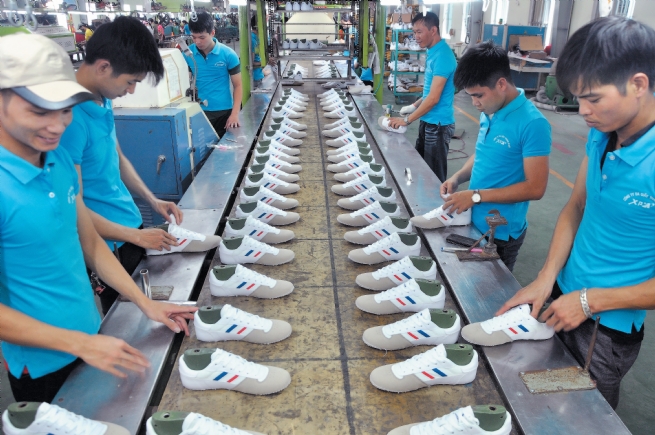
Industries such as electronics, textiles, leather goods, and agricultural products - key exports from Vietnam to the U.S. - will suffer significant damage
Supply chains and investment: “No one wants to leave Vietnam”
One of the big questions posed to Sitkoff was whether the tariffs would prompt American companies to leave Vietnam or shift their supply chains. He firmly responded: “No, that’s not the case. Global trade doesn’t work that way. Companies can’t just move supply chains from one country to another at will. It’s costly, more challenging, and frankly, no one wants to do it unless absolutely necessary.”
He elaborated: “Take a pair of Nike or Adidas shoes. Everyone understands why they’re produced in Vietnam instead of Texas. Moving production to Texas or Australia in the short term is unfeasible. Businesses have responsibilities to shareholders and customers - they need to deliver high-quality products at the lowest possible cost. Vietnam has been, is, and will continue to be a logical choice.”
He stressed that American companies show no signs of pulling out of Vietnam and are committed to staying for the long haul, particularly in fields like artificial intelligence and semiconductors.
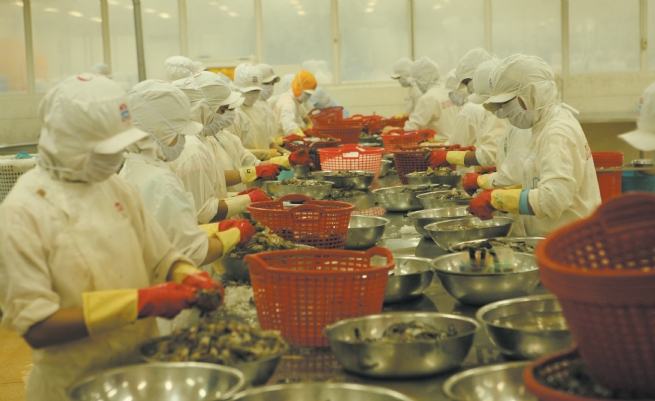
Vietnam's participation in multiple free trade agreements provides potential alternatives for its enterprises
Dialogue and cooperation should be prioritized
On how to address the 46% tariff, Sitkoff offered clear advice: “Vietnam needs to outline specific plans namely Plan A, B, and C, and observe how other tariff-hit countries respond. But don’t retaliate by raising trade barriers or imposing counter-tariffs. President Trump has said he’ll hit back harder if that happens. Instead, leverage the good relationship with the U.S. to negotiate.”
An AmCham representative commended Vietnam's efforts, noting that the Vietnamese government has made significant strides over the past two months in addressing U.S. President Donald Trump's concerns. Prime Minister Pham Minh Chinh dedicated over three hours to listening to American businesses, and Vietnam has taken steps such as lowering import tariffs on cherries and signing memorandums of understanding on aircraft and LNG. However, more needs to be done. Vietnam must address broader issues such as aviation, defense, and energy, while also simplifying the process for American businesses to operate in the country.
He advised that Vietnam should clearly define its response plan and monitor how other countries facing retaliatory tariffs implement their strategies. Not only Vietnam but also the governments of affected economies will take steps to negotiate with the U.S. to reach a mutually beneficial agreement. In particular, instead of imposing tariffs or setting up trade barriers as "retaliation," priority should be given to dialogue and cooperation.
He expressed confidence in Vietnam's negotiation team, stating that they have skilled negotiators who understand the tax issues faced by businesses. He believed that from that day until April 9, Vietnam would do everything possible to reach a fair agreement.
Looking ahead, he recommended: “If the government is worried about Vietnam’s competitiveness declining due to tariffs, turn this challenge into motivation. Invest in a highly skilled workforce and enact more business-friendly regulations. Tariffs may disrupt global trade, but they won’t deter FDI or drive investors away.”
He also expressed hope for a free trade agreement (FTA): “I strongly support an FTA between the two countries, though it’s unlikely to happen immediately. The BTA is 24 years old and needs modernization. However, I believe Vietnam’s leaders will continue negotiating with President Trump for better terms.”
He affirmed: “We don’t want the 46% tariff to persist. I believe there will be ongoing dialogue, and we’ll work with American and Vietnamese businesses, as well as leaders of both nations, to find the best solution. Vietnam has an excellent relationship with the U.S. - a major advantage for senior officials to negotiate with the Trump administration.”
With one week remaining, Sitkoff remained hopeful, saying that things could shift for the better. He noted that President Trump had changed his mind in the past with Canada and Mexico, and expressed his belief that some industries and products from Vietnam would be exempted. He added that American companies had not left and remained committed to staying in Vietnam for the long term.
By Huong Ly - Bui Lien, Vietnam Business Forum





 Vietnamese





