

10:29:37 AM | 5/25/2025

Uoc Le ham - one of the culinary symbols of Vietnam, has a history of nearly 500 years, famous for products such as pork sausage and cinnamon sausage. Uoc Le craft village, also known as "Li huong village", is famous throughout the country for its ham making craft. Through many historical ups and downs, over the past hundreds of years, people from far away places have brought the craft to many places, spreading the traditional culinary flavors of the nation to millions of diners across the provinces and cities.
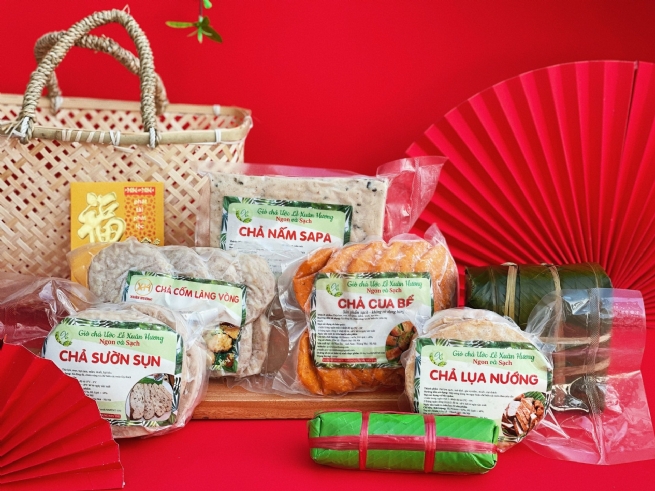
The ham making craft in Uoc Le has a history of nearly 500 years. Legend has it that during the Mac Dynasty (1527 - 1592), a royal concubine from Uoc Le village came to build the village gate and taught the people here how to make ham. Since then, passed down from father to son, the ham making craft has become the traditional craft of the village.
Following the footsteps of the village's children who went abroad to make a living, the reputation and brand of the Uoc Le ham and sausage craft village has become increasingly widespread and known to consumers across the country. The products of this craft village have a rich, unique flavor that is hard to find elsewhere. Initially, there were only two main products: pork sausage and cinnamon sausage, and people everywhere also knew the village's reputation with these two products. With the increasingly developed life, today there are many other types of products such as beef sausage, pork skin sausage, sour sausage... to be consumed everywhere in the country. According to Mr. Dang Hong Son, Vice President of the Uoc Le Ham and Sausage Culinary Village Association, Tan Uoc Commune, Thanh Oai District, in the market, building a brand is difficult and maintaining the brand is even more difficult. Therefore, fully aware of the need to preserve the brand and reputation of the craft village, Tan Uoc commune has also established the Uoc Le Ham Cooperative and the Uoc Le Ham Culinary Village Association to jointly promote the development of the Uoc Le Ham collective brand. From there, regulations were built, the Uoc Le Ham trademark was registered for protection, and only business households who are villagers are licensed to use the Uoc Le Ham trademark.
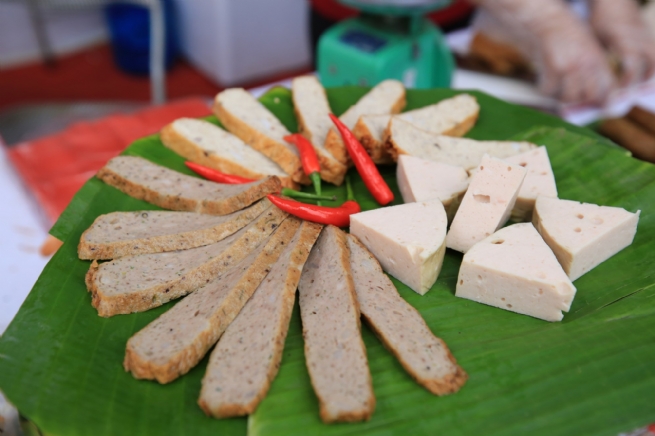
Director of the Uoc Le Ham Cooperative, Hoang Xuan Toan, said that the traditional product lines of Uoc Le village include pork sausage and cinnamon sausage, which are also the products that bring the brand to Uoc Le craft village. Up to now, the craft village has developed diversely and richly with product lines such as: beef sausage, fried sausage, pork skin sausage, cinnamon sausage, fried sausage, sour sausage... present in all localities across the country. Among them, there are some famous production facilities such as Xuan Huong Ham Production Facility, which has products that meet 4-star OCOP standards and is currently striving to meet 5-star OCOP standards. In its long-term development strategy, Uoc Le Ham Cooperative will strive to overcome many barriers to export to foreign markets through official channels. “Uoc Le ham has its own unique flavor that not every ham village can make. The secret lies in the selection of ingredients and spices. Accordingly, to make delicious, flavorful ham, it is necessary to choose fresh, hot rump meat. Then, the ham making process is also very elaborate, consisting of 3 steps: Filtering, grinding and wrapping. When filtering, the meat is cut into small pieces, removing all the tendons, taking the lean meat so that the ham product achieves the highest quality and is aesthetically pleasing. Next, add fat, ice, spices (MSG, pepper, etc.) and grind. After grinding for a certain period of time, add fish sauce (pure fish sauce, not industrial fish sauce) and continue grinding. Previously, the meat was pounded by hand to make ham, the villagers kept the secret of pounding the meat so that it was really sticky and thick enough that it did not stick to the pestle. Currently, people grind the meat with a machine but still try to keep the original stickyness and flavor intact.
When finished, the product wrapped in banana leaves, to make the ham delicious and fragrant, unlike the way industrial ham is wrapped in aluminum tubes. In particular, banana leaves must also be carefully selected, young leaves on the inside, young leaves in the middle, old leaves on the outside.
Currently, the Uoc Le Ham Cooperative has deployed the construction of a Center to introduce the traditional ham village, including the ham pounding experience for tourists to visit and enjoy.
According to Mr. Nguyen Trong Khien, Vice Chairman of Thanh Oai District People's Committee, Thanh Oai district currently has 51 traditional craft villages, including famous ones such as Uoc Le Ham village, Ky Thuy vermicelli and cake village or Canh Hoach bird cage village. Thanh Oai district is paying attention to the registration of collective trademarks for craft villages in order to preserve and sustainably develop local craft villages, create jobs and promote local socio-economic development.
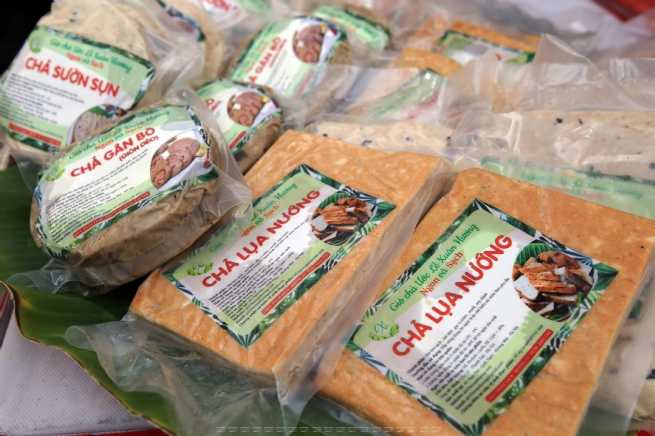
In the context of the general economy still facing many difficulties, the OCOP "channel" has actually contributed to promoting cooperatives to invest in improving product quality to increase competitiveness and catch up with modern consumption trends, thereby creating important changes in the production and use of clean food, contributing to protecting public health. The District People's Committee focuses on directing localities to proactively review potential products, on that basis evaluate and select to build OCOP products. At the same time, the district regularly guides, consults, and directly supports production entities and integrates resources to help entities develop OCOP products. For ranked products, encourage entities to continue upgrading and perfecting products, focusing on innovating and improving technology, technical processes, expanding raw material areas, managing and improving product quality, perfecting packaging and labels according to regulations, meeting domestic market requirements and aiming for export. Vice President Nguyen Trong Khien added.
By Dinh Bao, Vietnam Business Forum
| This special section is supported by Hanoi Coordination Office of the New Rural Development Program |





 Vietnamese





