

12:23:26 PM | 8/18/2025

On August 16–17, the scientific symposia “Solutions for Preventing Common Infectious Diseases and the Role of Vaccines” were jointly organized by Pfizer Vietnam and the Society of Asthma, Allergy & Clinical Immunology Ho Chi Minh City in Da Nang, gathering over 400 local and international healthcare professionals.
The symposia focused on updating epidemiological trends, disease burden, and prevention strategies against infectious respiratory pathogens and diseases such as pneumococcus, respiratory syncytial virus (RSV), and meningococcus, particularly in children, the elderly and individuals with chronic illnesses. The current rainy season, with high humidity and fluctuating temperatures, has created favorable conditions for these pathogens to thrive, making prevention efforts even more urgent.

The symposia “Solutions for preventing common infectious diseases and the role of vaccines”
Protecting respiratory health in children and the elderly
Lower respiratory tract infections are a leading cause of morbidity and mortality worldwide, with most cases occurring in two vulnerable groups: young children and older adults. In 2021 alone, there were 344 million cases and 2.18 million deaths globally, including over 500,000 deaths in children under 5.
Dr. Phan Huu Phuc, Deputy Director of Vietnam National Children’s Hospital, stated: “No one wants to see a child struggle with severe illness. Yet, lower respiratory tract infections remain a leading cause of morbidity and mortality among young children. Among these, pneumococcus accounts for more than half of the fatalities, especially in the 1–4 age group. In addition, respiratory syncytial virus (RSV) and meningococcus are also serious threats that can lead to death or severe complications. Each pneumococal serotype has its own invasive and drug-resistant characteristics, making treatment challenging. Therefore, proactive prevention from the earliest months of life—even from the time in the womb is the most practical action we can take to protect a healthy future for the next generation and reduce the healthcare burden in Vietnam.”
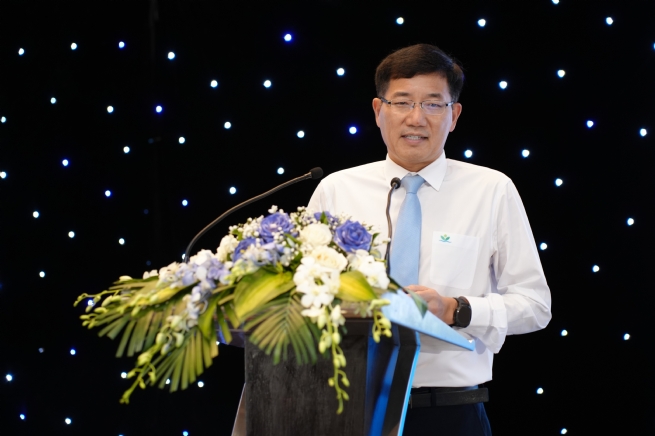
Dr. Phan Huu Phuc, Deputy Director of Vietnam National Children’s Hospital, speaking at symposia
In contrast, older adults bear the highest mortality burden from lower respiratory tract infections. Pneumococcus remains the most common pathogen, often causing pneumonia and pneumonia complicated by sepsis.
According to the U.S. CDC, there are approximately 150,000 hospitalizations each year due to pneumococcal pneumonia, with a 15–20% risk of death within 30 days. Adults over 50, especially those with underlying conditions such as cardiovascular disease, diabetes, or COPD, are six times more likely to be hospitalized than younger adults aged 18-49. Even after treatment, many patients experience long-term complications such as cognitive decline, increased cardiovascular risk, and reduced life expectancy.
At the symposia, experts noted that pneumococcal epidemiology is changing due to the impact of vaccination and antibiotic resistance. As common serotypes are brought under control, other serotypes not covered by current vaccines are increasing - a phenomenon known as serotype replacement. This calls for close monitoring and timely adjustments to prevention strategies.
Continuing the discussion on pneumococcal prevention in this new context, Professor Antoni Torres, Department of Pulmonology, Hospital de Clínic, University of Barcelona, Spain remarked: “Pneumococcal disease prevention is entering a new phase, with adults, particularly older adults, now considered a priority group for protection alongside children. Proactive prevention not only broadens protection but also supports effective chronic disease management, helping improve quality of life.”

Professor Antoni Torres, Department of Pulmonology, Hospital de Clínic, University of Barcelona, Spain, speaking at scientific symposia
Economic analyses have also shown that pneumococcal vaccination is cost-effective, helping reduce hospitalizations, antibiotic use, and outpatient visits, while contributing to herd immunity.
In addition, experts emphasized the need for a comprehensive approach, including maintaining proper nutrition, practicing good personal hygiene, exercising regularly, avoiding risk factors such as tobacco and alcohol, and effectively managing chronic conditions. Combining immunization with chronic disease control and immune system strengthening can significantly reduce the risk of pneumococcal infection, complications, and mortality.
The symposia concluded with an agreement among experts that prevention should be regarded as a core element of lifelong healthcare policy. Maintaining protection against pathogens from childhood through older age not only benefits individuals but also contributes to sustainable improvements in community health and quality of life.
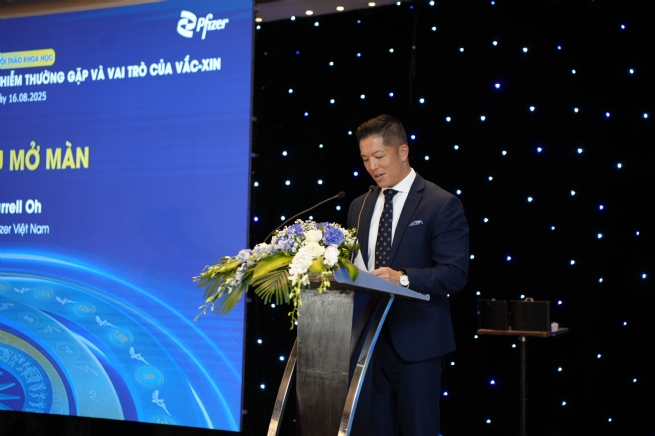
Mr. Darrell Oh - General Director of Pfizer Vietnam, sharing at symposia
Mr. Darrell Oh - General Director of Pfizer Vietnam affirmed: “We believe that sharing updated scientific data, practical experience, and innovative initiatives will help the healthcare sector shape more effective strategies for preventing infectious respiratory diseases in line with current epidemiological realities. As a trusted healthcare partner, Pfizer is committed to accompanying Vietnam in building a sustainable healthcare system, ready to address both current and future public health challenges.”
Source: Vietnam Business Forum


 Vietnamese





