

9:01:35 AM | 3/27/2026

Logistics is a sector with strong growth prospects in Vietnam in the coming years. With advances in information technology and artificial intelligence, smart logistics systems are becoming more common and essential for optimizing transportation, warehousing, and goods management across supply chains.
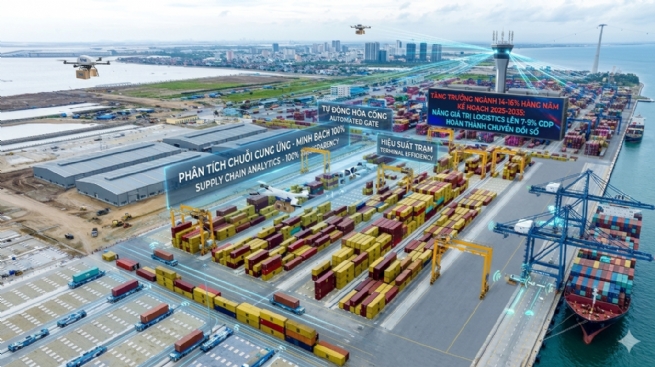
Strong growth potential
According to available data, Vietnam’s logistics services sector has recorded strong growth, averaging 14-16% annually, more than double the global average. The market is valued at approximately US$45-50 billion, accounting for about 10% of GDP and 5% of total import-export turnover.
In 2025, Vietnam ranked among the Top 10 emerging logistics markets, placed fourth regionally in the Logistics Opportunities Index, and stood in the Top 5 in ASEAN and Top 40 globally in the Logistics Performance Index (LPI).
Located along major international maritime and aviation routes, with a coastline of more than 3,200 kilometers and a wide network of seaports, airports, and border gates, Vietnam has the conditions to become a major logistics hub in the region.
In recent years, Vietnam has taken coordinated and decisive steps to develop the logistics sector. These include synchronized investment in key logistics infrastructure and transport systems across all five modes: road, rail, air, sea, and inland waterways. At the same time, the country has introduced strong incentives for logistics businesses and investors, such as corporate income tax exemptions and reductions for new projects, preferential land lease rates and infrastructure support in industrial parks and economic zones, and support for research and technology application.
In adopting smart logistics, Vietnam’s first major digital transformation milestone was the launch of the “Vinh Phuc ICD Logistics Center - SuperPort” project. The project is jointly invested by T&T Group (Vietnam) and YCH Holdings (Singapore) to build a modern smart logistics hub. It combines an inland container depot (ICD) with a high-tech, multimodal logistics center that is among the region’s leading facilities.
Many Vietnamese enterprises have applied smart logistics and achieved clear benefits. After introducing its e-Port system and electronic delivery orders, together with advanced management and operating programs, Saigon Newport Corporation reduced vessel time at port by 55%, cut cargo delivery time to three-quarters of its previous level, and lowered labor and traffic safety incidents. FPT Corporation, by using its Customer Insights Platform for data analysis, retained nearly 40,000 customers and increased monthly revenue by hundreds of billions of VND. BEST Express has also developed technologies to improve warehouse efficiency. Its two main systems, DWS (Dimensioning Weighing Scanning) and WCS (Warehouse Control System), integrate artificial intelligence to automatically manage cargo flows. As a result, BEST Express can process more than one million orders per day, shorten sorting time, and deliver goods to end users in less than 48 hours.
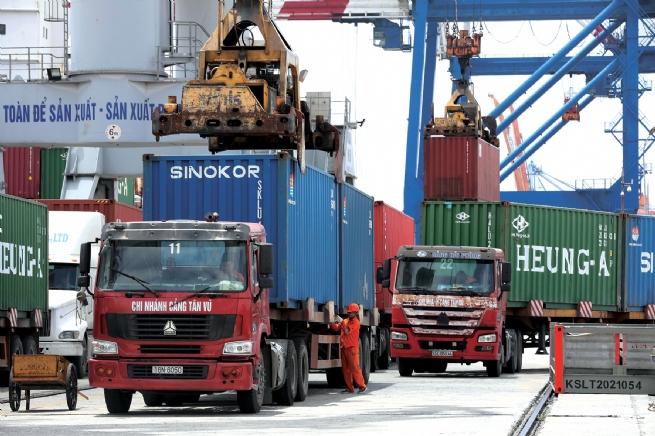
Cargo throughput at Hai Phong ports has maintained strong growth in recent years
Accelerating the adoption of smart logistics
Under the Vietnam Logistics Services Development Strategy for 2025-2035, with a vision to 2050, the added value of logistics services is projected to account for 5-7% of GDP in the 2025-2035 period. The sector’s average annual growth rate is targeted at 12-15%, and its Logistics Performance Index (LPI), published by the World Bank, is expected to rank among the top 40 countries and territories worldwide. The share of logistics service providers applying digital transformation solutions is projected to reach 80% of Vietnam’s logistics enterprises.
By 2050, the added value of logistics services is expected to account for 7-9% of GDP, with an average annual growth rate of 10-12%. The proportion of logistics service providers applying digital transformation solutions is targeted to reach 100% of Vietnam’s logistics enterprises.
To achieve these goals, promoting digital transformation and developing smart logistics has become a priority for Vietnam. Smart logistics applies advanced technologies such as artificial intelligence, big data, the Internet of Things (IoT), and cloud computing to improve transportation and supply chain management. The integration of robotics, augmented and virtual reality (AR/VR), automated guided vehicles (AGVs), robotic arms, and blockchain helps create a more efficient operating system. Smart logistics allows workers to focus on more creative tasks, reduces costs by saving time and improving productivity, and creates a more flexible and efficient working environment.
According to Yap Kwong Weng, General Director of Vietnam SuperPort (YCH Group), advances in automation, data connectivity, and artificial intelligence not only improve operational efficiency but also support smarter and more sustainable cargo transport. AI and the IoT are increasingly applied in port management, data optimization, route planning, reducing waiting times, and cutting emissions. The shift toward green and scalable supply chains is becoming a key focus, especially in ASEAN, where innovation is accelerating with the growth of automated terminals and modern management systems.
According to data from the E-Commerce and Digital Economy Agency (Ministry of Industry and Trade), 61% of Vietnamese enterprises had applied digital technology in logistics operations by the end of 2024. These technologies reduced average logistics costs by 23% compared with traditional methods and shortened average order processing time by 35% through automation.
Demand for digital transformation in logistics is rising rapidly to keep pace with the growth of e-commerce and import-export activities. A clear trend is the development of connected smart supply chains, investment in real-time management systems, and the expansion of flexible warehousing models.
In the coming period, according to Viet Research, a market research and corporate strategy consulting firm, digital platforms will connect to form a logistics digital ecosystem, linking all stages from warehousing and transportation to delivery. This will provide enterprises with full supply chain visibility, enabling faster and more effective decisions. Experts advise businesses to apply advanced technologies such as AI, IoT, and blockchain in supply chain management to improve forecasting, optimize transport routes, and enhance transparency throughout the entire process.
By Quynh Chi, Vietnam Business Forum






 Vietnamese





