

9:54:26 AM | 9/22/2025

On September 20–21, 2025, Pfizer Vietnam, in collaboration with the Vietnam Association of Preventive Medicine, organized the scientific symposia on “The Role of the RSV Vaccine in Protecting Infants and Older Adults.” The symposia brought together national and international experts to discuss the burden of respiratory syncytial virus (RSV), highlight prevention challenges, and discuss solutions to protect vulnerable populations such as infants, older adults and patient with chronic underlying conditions”.
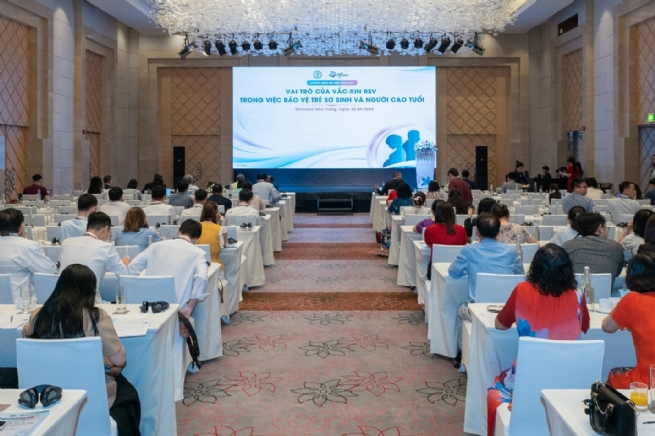
The scientific symposia “The Role of the RSV Vaccine in Protecting Infants and Older Adults”
RSV is a respiratory virus, consisting of two subgroups: RSV-A and RSV-B, which can cause both upper and lower respiratory tract infections such as bronchiolitis and pneumonia. The virus poses a threat to infants and older adults. According to the World Health Organization (WHO), each year, RSV causes an estimated 3.6 million hospitalizations and 100,000 deaths in children under five worldwide, with nearly half of the deaths occurring in infants under six months.
In Vietnam, RSV is the leading cause of acute respiratory infections in children under one year of age. For adults aged 60 and older, epidemiological data from Vietnam over the past five years have recorded approximately 4.6 million cases of acute respiratory infection by RSV over a 5-year period, including more than 178,576 cases of pneumonia.
Representative of Pfizer Vietnam, Mr. Darrell Oh - General Director, shared: “Given the burden of RSV, these symposia provide a valuable opportunity for experts to exchange insights on scientific advances and protective solutions, particularly for high-risk populations. At Pfizer, we are committed to partnering with Vietnam’s healthcare sector in addressing the challenges posed by respiratory infectious diseases. We will continue close collaboration to deliver scientific breakthroughs that contribute to improving the health and quality of life of the Vietnamese people.”
According to WHO, almost all children are infected with RSV at least once by their second birthday. Experts at the symposia emphasized that infants under six months are particularly vulnerable because of their immature immune systems. On average, 2–3 out of every 100 infants under six months are hospitalized with RSV each year, with preterm or low-birth-weight infants facing even greater risks. Moreover, RSV can lead to long-term consequences on infants’ respiratory health, such as recurrent wheezing, asthma, and reduced lung function during the first decade of life.
Assoc. Prof. Dr. Nguyen Thi Dieu Thuy, MD, Head of Pediatrics at Hanoi Medical University Hospital, shared: “RSV is a constant concern for parents and a significant challenge for doctors because of its rapid progression. A child may start with only a mild fever but develop severe breathing difficulty the following day, even requiring mechanical ventilation. Warning signs include persistent high fever, rapid breathing, wheezing, chest retractions, and severe coughing.”
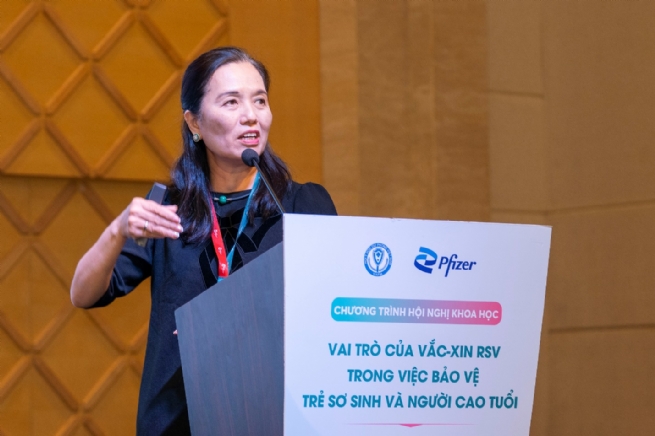
Assoc. Prof. Dr. Nguyen Thi Dieu Thuy, MD, Head of Pediatrics at Hanoi Medical University Hospital, sharing at symposia
In older adults, RSV is often referred to as a “forgotten pathogen” compared with influenza, despite causing a comparable disease burden. RSV infection carries a mortality rate comparable to influenza, hospitalization, ICU admission, and longer hospital stays than influenza. Age and underlying conditions such as cardiovascular disease, chronic lung disease, and diabetes further increase the risk of complications from RSV. Specially, adults aged 65 and older with chronic obstructive pulmonary disease (COPD) are 4.2 times more likely to be hospitalized due to RSV compared to healthy individuals of the same age group.
Reinfection with RSV is common due to waning natural immunity. While there is currently no specific antiviral treatment for RSV, patients are primarily managed with supportive care to relieve symptoms and improve overall health status. Even after recovery, RSV patients may still face long-term health consequences. Therefore, experts agree that preventive measures are essential, including frequent handwashing, covering the mouth when coughing or sneezing, cleaning surfaces, and implementing proactive protection for high-risk groups..

Assoc. Prof. Dr. Do Van Dung, MD, PhD – Former Head of Department of Public Health, University of Medicine and Pharmacy, Ho Chi Minh City, discussing at symposia
Assoc. Prof. Dr. Do Van Dung, MD, PhD – Former Head of Department of Public Health, University of Medicine and Pharmacy, Ho Chi Minh City, noted that lower respiratory tract infections caused by RSV often have non-specific symptoms and currently there is no specific treatment. Therefore, raising awareness among patients, caregivers, and healthcare professionals is crucial, not only to support early detection and timely response but also to enable proactive RSV prevention. He also emphasized that improving access to RSV preventive measures, together with collaboration across specialties is essential to strengthening community health protection.”
At the conference, Dr. Bulent Nuri Taysi, MD, PhD - Senior Director of Vaccines and Antivirals in Emerging Asia for Pfizer's Medical Division, Pfizer, said: “Immediately after birth, when an infant’s immune system is still immature, this stage is considered a critical foundation for protecting their health. Protection from infectious diseases mainly depends on maternal antibodies transferred to the baby. Early and comprehensive protection, spanning from pregnancy to the postnatal period through regular health monitoring, respiratory care, proper hygiene, and adherence to medical guidance is crucial. It not only reduces the risk of severe complications and mortality but also helps build long-term respiratory health in young children. For older adults, prevention helps reduce hospitalizations and the need for long-term care.”
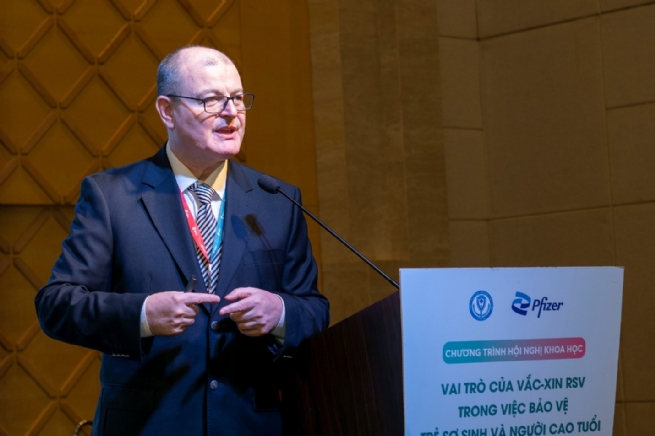
Dr. Bulent Nuri Taysi, MD, PhD - Senior Director of Vaccines and Antivirals in Emerging Asia for Pfizer's Medical Division, Pfizer, sharing at symposia
In response to the global burden of RSV, WHO recommends that countries introduce preventive measures for infants. In September 2024, the Strategic Advisory Group of Experts on Immunization (SAGE) issued global recommendations to introduce passive immunization for the prevention of severe RSV disease in young infants, including maternal immunization to protect newborns from birth. Meanwhile, the U.S CDC recommends RSV immunization for all adults ages 75 and older and for adults ages 50–74 who are at increased risk of severe RSV, to reduce the risk of severe infection and hospitalization.
Source: Vietnam Business Forum


 Vietnamese





