

10:01:56 AM | 4/29/2026

Global supply chains are undergoing a profound restructuring in the wake of geopolitical and trade disruptions. Amid this shift, Vietnam remains a strategic destination for foreign direct investment (FDI). Beyond its growing role as a regional manufacturing hub, the country is gradually transforming into a dynamic digital economy with industrial, logistics, and financial infrastructure being upgraded in tandem to meet the evolving needs of multinational corporations.
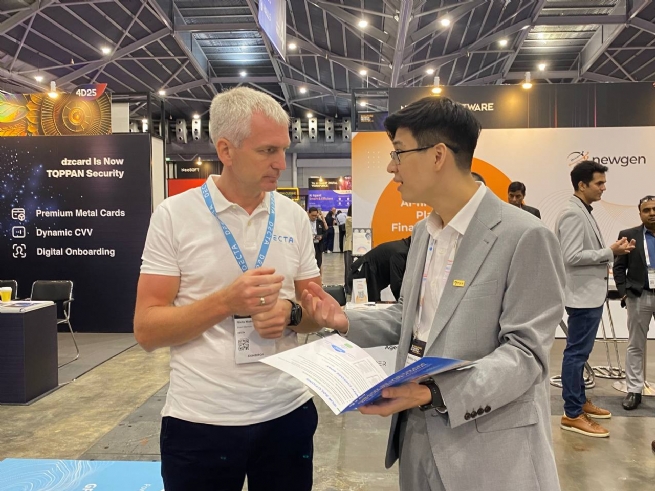
9Pay has developed 9Remit, an international money transfer platform designed specifically for businesses
To sustain this momentum, alongside improvements in the investment climate and regulatory frameworks, the modernization of financial infrastructure, particularly cross-border payment solutions, has become increasingly important for FDI enterprises.
Vietnam remains an attractive destination for FDI
According to official data from the National Statistics Office (NSO) under the Ministry of Finance, total registered foreign investment in Vietnam reached approximately US$38.42 billion in 2025. Of this, realized FDI was estimated at US$27.62 billion, up 9% year-on-year and the highest level recorded during the 2021–2025 period.
Entering 2026, FDI inflows have continued to show positive momentum. As of March 31, 2026, total registered foreign investment reached US$15.20 billion, representing a 42.9% increase compared with the same period last year. These figures indicate that Vietnam continues to maintain a strong appeal among international investors despite ongoing volatility in the global economy.
The growth reflects the ongoing shift in global supply chains, as many multinational corporations increasingly choose Vietnam as a manufacturing and logistics hub in the region. With its strategic location in Southeast Asia, an extensive network of free trade agreements and a stable political environment, Vietnam has become a key destination within the “China+1” strategy adopted by many international businesses.
Additional factors, such as competitive labor costs, increasingly well-planned industrial land reserves, and continuous improvements in logistics infrastructure, have helped Vietnam sustain its competitive advantage in attracting FDI compared to other countries in the region.
Within Vietnam’s broader FDI landscape, Bac Ninh has emerged as one of the most successful localities. In 2024, the province ranked first nationwide with nearly US$5.12 billion in registered FDI, accounting for roughly 13.4% of the country’s total foreign investment.
One of the key factors behind Bac Ninh’s success in attracting and retaining investors is its “Four Readiness” support model for businesses. This includes readiness in industrial land availability, human resources, policy mechanisms and ongoing support for enterprises during operations.
At the same time, new policies on foreign exchange and remittance management introduced in late 2025 are also expected to create more favorable conditions for FDI enterprises in managing cash flows, repatriating profits and conducting cross-border transactions.
However, despite these opportunities, FDI businesses still face certain challenges, including complex administrative procedures, strict foreign exchange regulations and increasing demands for sophisticated cash-flow management and cross-border payment capabilities. These factors underscore the need for continued improvements in both the investment environment and the financial ecosystem supporting businesses.

9Pay’s office at Da Nang IFC
Modernizing cross-border payment infrastructure opens new opportunities
Alongside industrial and logistics infrastructure, financial systems—particularly cross-border payment solutions—are becoming a crucial component in helping FDI enterprises operate efficiently in Vietnam. Managing international cash flows, paying global suppliers, receiving payments from overseas customers and repatriating profits to parent companies all require payment systems that are fast, transparent and compliant with regulatory requirements.
Against this backdrop, emerging financial technologies such as artificial intelligence (AI) and blockchain are increasingly being explored and deployed to enhance the efficiency of international payment systems. In particular, the development of regulatory sandbox mechanisms within future International Financial Centers (IFC) is considered an important step toward fostering innovation in the financial sector.
As one of the first participants in the Da Nang International Financial Center (IFC) initiative, 9Pay is actively developing technological solutions to support businesses in managing cash flows and conducting cross-border transactions.
Through its unified payment platform, 9Pay provides services such as collection and disbursement solutions, multi-method payment gateways and international money transfer services designed specifically for businesses. The system is built on a multi-country connectivity model, allowing enterprises to integrate various payment methods and manage all transactions through a centralized platform, thereby simplifying payment processes and enhancing transparency in cash-flow management.
In addition to domestic payment services, 9Pay has also developed 9Remit, an international remittance platform tailored for enterprises. The platform supports same-day transaction processing (T+0) and provides real-time foreign exchange rates (Live FX). It also integrates a transaction management dashboard that allows businesses to monitor, reconcile and manage their cash flows clearly and transparently. As a result, FDI enterprises can quickly settle payments with overseas partners, transfer profits back to their parent companies more efficiently, while optimizing costs and reducing exposure to exchange-rate volatility during operations.
Source: Vietnam Business Forum


 Vietnamese





