

9:18:15 AM | 9/6/2025

The former safety zones such as Vong La, Hai Boi, Co Loa, Nam Hong (formerly Dong Anh district), or Van Phuc (Ha Dong) of Hanoi are not only locations on the map but also enduring symbols of resilience and patriotism. Continuing the revolutionary tradition, the communes today are achieving remarkable progress in socio-economic development and the construction of modern rural communities.
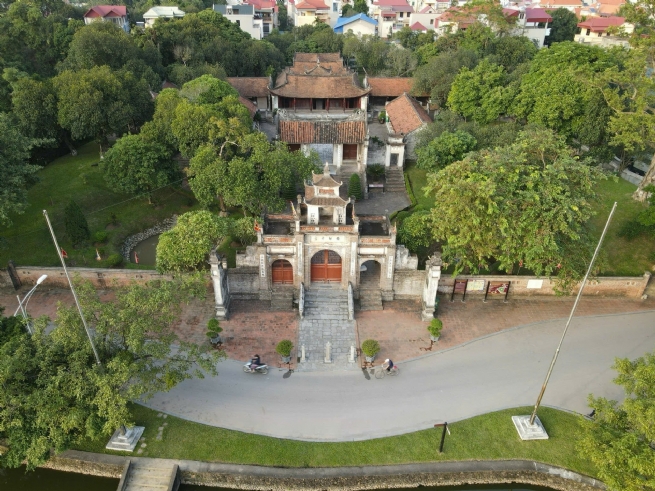
During the resistance war, many suburban areas of Hanoi such as Vong La, Hai Boi, Co Loa, Nam Hong (formerly Dong Anh district), and Van Phuc (Ha Dong) were strongholds that sheltered and supported revolutionary forces. With their strategic locations, these areas served as sites for headquarters, warehouses, and medical stations, while also acting as rear bases for battles to defend the city. The people in these communities faithfully followed the Party, enduring sacrifice and hardship to protect cadres and soldiers, and made significant contributions to the nation’s final victory.
Today, in the process of economic and social development, the living standards of the people are rising, and poverty rates are steadily declining. The communes have completed new rural development and achieved the status of advanced new rural communes, presenting a vibrant and dynamic new look. The transformation is reflected in modern infrastructure projects, thriving urban areas, economic restructuring, and the enhancement of both material and cultural life for the people.
Currently, Nam Hong belongs to Phuc Thinh commune. According to Commune Chairman Nguyen Van Bang, the project to preserve and develop the historical Nam Hong tunnel area includes several components: building an exhibition house, creating a reception area, and restoring the resistance village. It aims to provide visitors with authentic experiences while ensuring safety and sustainable site management.
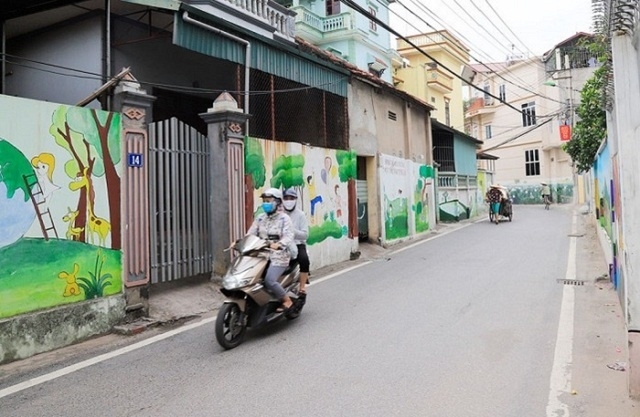
In Hai Boi, now part of Vinh Thanh commune, concrete roads, transport systems, and infrastructure development have transformed the area into a modern eco-urban zone. Commune Chairman Nguyen Quang Dang said that revolutionary tradition is the foundation for Vinh Thanh’s strong development. Among the communes merged to create Vinh Thanh, Hai Boi has abundant resources and broad potential for growth. At present, the commune’s average per capita income reaches nearly VND90 million per year, making Hai Boi a dynamic and modern suburban urban area.
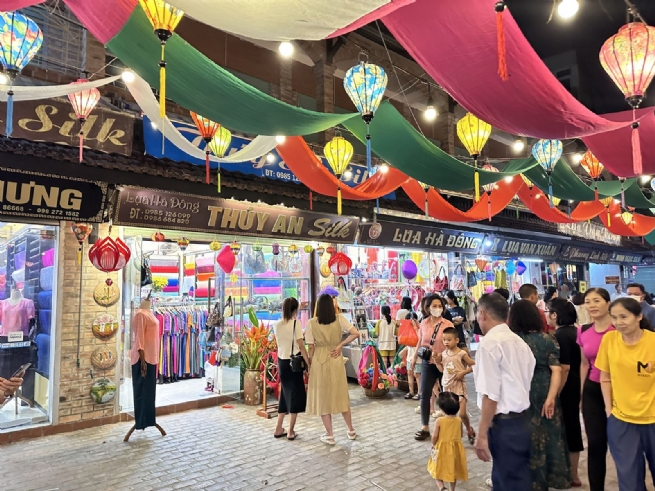
Another well-known site is Van Phuc in Ha Dong Ward, which is experiencing strong change through digital transformation and product diversification. Van Phuc Silk Village not only preserves the traditional silk weaving craft but also applies modern technology, placing products on online platforms and expanding markets. Many young artisans have blended traditional weaving techniques with modern designs to create unique silk products that attract visitors and strengthen their position in the international market. Van Phuc Silk Village has also been recognized as a member of the World Network of Creative Craft Cities, affirming both the cultural and economic value of the village.
Vice Chairwoman of the Van Phuc Silk Weaving Village Association, Tran Thi Ngoc Lan, said: “Van Phuc Silk Village has a history of thousands of years, but there were times when the craft seemed close to disappearing. Thanks to the support of the city and ward authorities, and especially the use of technology in production and product promotion, Van Phuc silk has regained its position. We are very proud that the silk we produce is well known not only in the domestic market but also internationally.”
The remarkable transformation of these former areas is inseparable from the close leadership and guidance of Party committees and authorities at all levels, as well as the unity and efforts of the people. Mr. Nguyen Quang Dang said: “The revolutionary Hai Boi is an important foundation. The commune gives special attention to comprehensive investment in urban infrastructure, improving quality of life, and preserving and promoting the value of historical and cultural relics.”
Deputy Chairwoman of the Dong Anh Commune People’s Committee, Nguyen Thi Luong, also emphasized that Co Loa (Dong Anh commune) is not only an economic center but also a source of cultural industry strength, with projects such as the construction of the Temple of King Ngo Quyen and the Co Loa Historical Relic Site. Despite rapid development, Co Loa has preserved its essence, culture, and relics that have been passed down for a thousand years.
It is clear that the success of these former areas in the renovation process has provided many valuable lessons. These include lessons on maintaining consistency in socio-economic development together with the preservation and promotion of cultural and historical values; lessons on utilizing internal strength and mobilizing the efforts of the people combined with State and social resources; and lessons on the initiative and creativity of local governments in turning policies into actions suited to the practical conditions of each region.
In the context of Hanoi’s rapid urbanization, localities such as Dong Anh, Vinh Thanh, Thien Loc, and Ha Dong, where historic zones are located, face both new opportunities and challenges. The development of satellite urban areas, high-tech industries, and key transport infrastructure creates many breakthrough possibilities. However, this process also places high demands on urban management, environmental protection, preservation of cultural identity, and the assurance of social welfare.
By Ngoc Dan, Vietnam Business Forum
| This special section is supported by Hanoi Coordination Office of the New Rural Development Program |


 Vietnamese





