

10:16:33 AM | 4/29/2026

Amid the ongoing reconfiguration of global supply chains, Vietnam is seen as a key destination for foreign investment, particularly in electronics, high technology, and semiconductors. However, while more domestic enterprises are joining global production networks, the share of Vietnamese firms becoming tier-1 suppliers to multinational corporations remains limited.
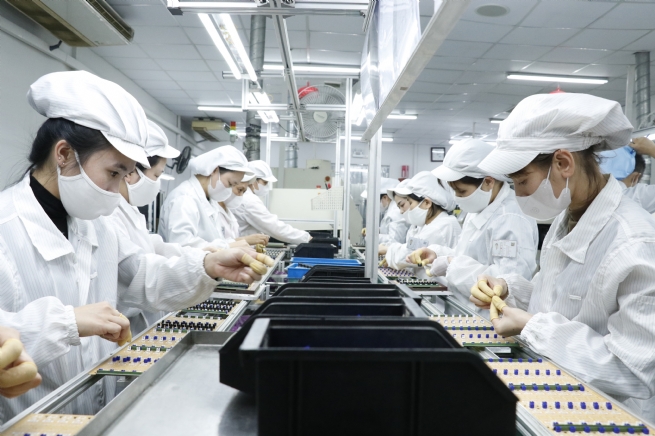
Hanel PT has built a three-tier development model based on values, systems, and capabilities
From the perspective of a company with many years of experience in international supply chains, Tran Thi Thu Trang, Chairwoman of Hanel PT, said the issue is not a lack of manufacturing capability among Vietnamese enterprises, but their approach. “To integrate deeply into global supply chains, enterprises cannot stop at making good products; they must build a comprehensive foundation of values, systems, and capabilities aligned with international standards,” she said.
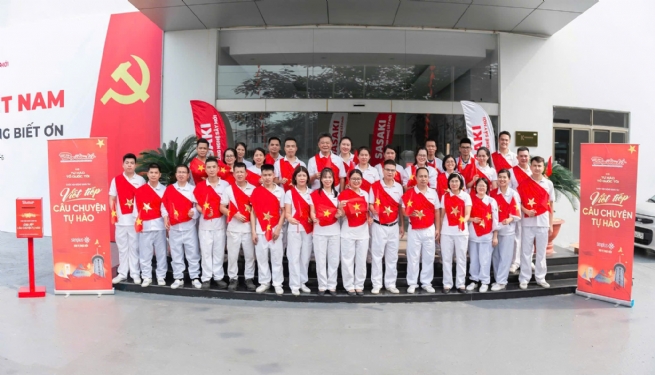
To sustain its growth, Hanel PT puts employees at the center and creates conditions for them to develop and demonstrate their abilities
From manufacturing capability to value systems requirements
In earlier periods, many supporting industry enterprises in Vietnam focused on investing in machinery, improving productivity, and optimizing costs to meet the requirements of international partners. However, in the current context, evaluation standards have changed significantly.
Foreign-invested enterprises (FDI) are not only looking for suppliers with high-quality products but are also setting increasingly strict requirements for data transparency, traceability, risk management, and sustainable development. In other words, they no longer assess only the “output,” but the entire “operational process” of an enterprise.
A key factor in partner selection today is the alignment between capability and value systems. “FDI firms are not simply choosing suppliers; they are choosing long-term partners. Enterprises must demonstrate stability, transparency, and a sustainable development orientation, not just the ability to meet short-term orders,” Trang said.
One common limitation among Vietnamese supporting industry enterprises today is the lack of clearly defined value systems and the inability to translate those values into internationally standardized operations.
Many companies have strong manufacturing capabilities but still lack elements such as transparent governance, data traceability, and the integration of environmental, social, and governance (ESG) into operations. This makes it difficult for them to fully meet the evaluation criteria of international partners, particularly in sectors with strict standards and high reliability requirements.
In addition, the market approach of Vietnamese enterprises remains relatively short-term. A focus on price and production capability, without enough attention to collaboration experience, professional communication, and coordination capacity, continues to be a significant barrier.
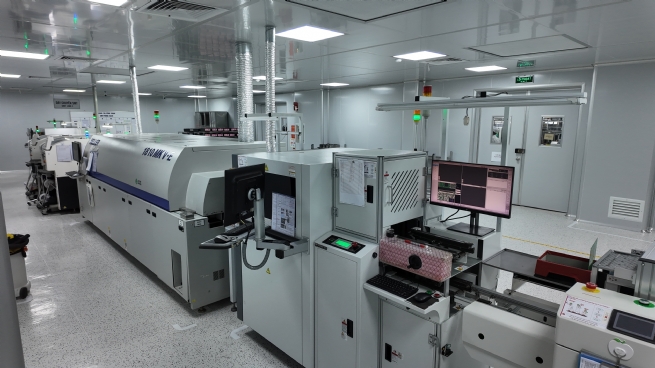
Hanel PT’s manufacturing system
The three-tier model: a roadmap for enterprise upgrading
Drawing on more than 26 years of experience in global supply chains, Hanel PT has developed a three-tier enterprise development model: values, systems, and capabilities. This is a structured roadmap that helps enterprises gradually improve their position in global value chains.
At the first tier, values, enterprises must build a clear cultural foundation and development direction. This includes ethical business practices, honoring commitments, transparency in operations, and social responsibility. At the same time, enterprises need to adopt a sustainable development mindset, with ESG factors at the center.
According to Trang, this foundation is important but often overlooked. In practice, this value system is what international partners use to assess compatibility from the outset. “Without a value foundation, it is very difficult to build trust. And without trust, opportunities to join supply chains will be limited,” she said.
The second tier is systems, where values are translated into concrete ways of operating. This includes applying digital transformation to ensure data transparency, building clear governance systems, and adopting green production models to optimize energy use and reduce emissions. In the current context, ESG is no longer optional but has become a required standard in many global supply chains.
“The key point is that enterprises must turn values into systems that can be measured and verified. Partners do not assess words, but data and actual operations,” Trang said.
The third tier is execution capability, including product quality, cost, delivery timelines, technical capacity, and the ability to innovate. This enables enterprises to sustain partnerships and expand scale. However, without the two foundational tiers, this capability will be difficult to maintain over the long term.
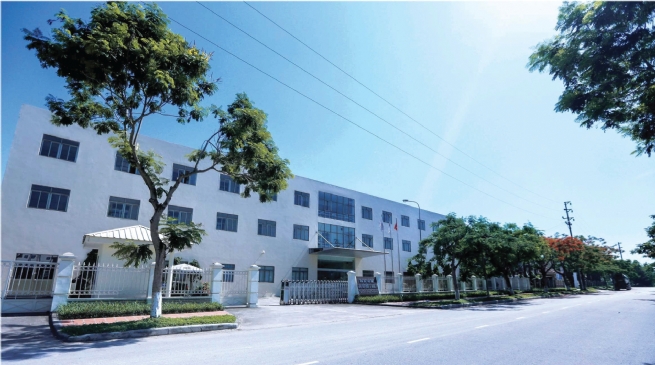
Hanel PT’s electronics manufacturing plant
From capability profiles to collaboration and trust
When engaging with FDI corporations, capability profiles play an important role, but they are not the only deciding factor. An effective profile must reflect production systems, technological capabilities, standard certifications, as well as data traceability and transparency.
However, according to Trang, the real difference lies in customer experience. Enterprises must show responsiveness, an understanding of customer needs, clear communication, and professional problem-solving. These are the factors that help build trust and support long-term collaboration.
In practice, many opportunities in global supply chains do not come from trade promotion activities but from referrals by existing partners. This shows the important role of trust.
Trust is built through consistent quality, transparency in operations, and the ability to work with partners over the long term. Once trust is established, enterprises can not only retain customers but also expand opportunities through network connections.
According to Trang, Vietnamese enterprises need to change their approach if they want to integrate more deeply into global supply chains. The development roadmap should follow a clear sequence: starting with building culture and core values; then standardizing these into operational systems through digital transformation, transparent governance, and green production; and finally strengthening execution capability to meet partner requirements. “Vietnamese enterprises must not only perform well, but must do things the right way according to global values and prove it,” she said.
Vietnam is facing a major opportunity to strengthen its role in global supply chains, particularly in electronics, semiconductors, and high technology. However, this opportunity is not open to all enterprises. Only those that meet three conditions at the same time, a strong value foundation, internationally standardized operating systems, and stable execution capability, will be able to integrate deeply and grow sustainably within global value chains.
As standards continue to rise and competition intensifies, the path for Vietnamese enterprises to go far is not about moving faster, but about moving in the right direction, starting from values, building systems, and steadily strengthening capabilities.
Source: Vietnam Business Forum


 Vietnamese





