4:20:11 PM | 5/11/2026

Gia Lai province is entering a new era with an expanded development space that combines forests, mountains, highlands, plains, and coastal areas. In this context, tourism has been identified as one of the province’s key sectors thanks to its strong potential and growth opportunities. Through product restructuring, market expansion, and opportunities from National Tourism Year 2026, Gia Lai is gradually building a new image for its tourism industry to create momentum for future growth.
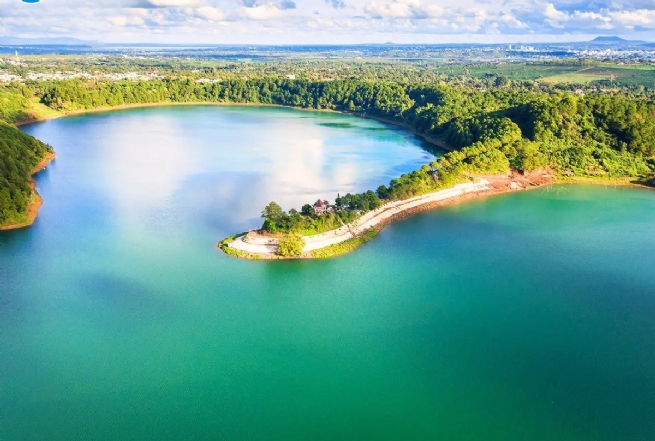
T'Nung Lake is one of Gia Lai’s best-known scenic destinations
Vibrant coastline and magnificent highlands
Gia Lai possesses a diverse tourism ecosystem that includes highlands, primary forests, indigenous culture, and coastal islands, creating a rare combination of tourism resources. This integrated landscape of forests and coastline allows the province to overcome previous development limitations while creating opportunities to form connected tourism routes, extend visitor stays, and increase tourist spending.
Tourism trends are changing clearly. Travelers are increasingly seeking diverse, personalized experiences connected to nature and local culture. Multi-destination journeys that combine several destinations in one trip are becoming a major trend. This gives Gia Lai an advantage in using its new spatial structure to develop integrated tourism products stretching from the great forests to the sea.
In particular, within the Central and Central Highlands regions, Gia Lai is emerging as a strategic connectivity hub. While coastal localities are strong in resort tourism and the Central Highlands stand out for ecology and culture, post-merger Gia Lai has the ability to combine both, creating a distinct competitive advantage among destinations.
In this new context, the province is focused not only on expanding tourism scale, but also on developing tourism products in a modern, in depth, and sustainable direction.
Accordingly, Gia Lai is promoting regionally connected tourism products, especially “great forest and blue sea” routes. Journeys linking Pleiku, Kon Ka Kinh, and Bien Ho with Quy Nhon, Eo Gio, and Ky Co not only provide diverse experiences but also help create complete tourism value chains.
In addition, eco-tourism and community-based tourism continue to be identified as core strengths. With its rich forest ecosystems and the distinctive cultural identity of Central Highlands ethnic groups, Gia Lai has strong potential to develop immersive experiences such as trekking, forest exploration, homestays, and traditional festivals. However, these products now need better service quality, clearer standards, and stronger brand storytelling.
Another important direction is the development of agricultural and experiential tourism. With strengths in coffee, pepper, rubber, and other signature agricultural products, Gia Lai can develop tourism offerings linked to agricultural value chains, from tours and hands-on production experiences to product tasting and shopping.
Notably, tourism development is no longer focused on individual destinations, but is shifting toward an ecosystem approach. This requires coordinated development of transportation infrastructure, accommodation services, digital technology, and especially stronger linkages among businesses, local authorities, and communities.
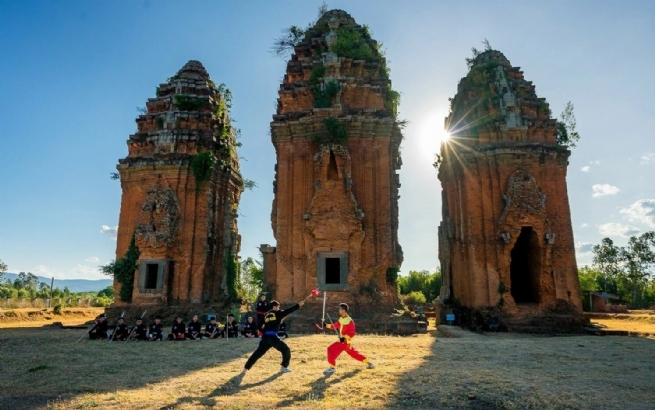
Cham Towers, cultural and historical heritage sites in Gia Lai
“Where the Great Forest Meets the Blue Sea”: Gia Lai ready for takeoff
Hosting National Tourism Year 2026 is seen as a major opportunity for Gia Lai to accelerate growth and strengthen its position on Vietnam’s tourism map. With the theme “Where the Great Forest Meets the Blue Sea,” the event is not only a tourism promotion program, but also a message about the province’s long term development direction. The theme is both symbolic and a clear reflection of Gia Lai’s unique advantages in the new context.
Under the plan, a wide range of large-scale activities will take place throughout 2026, including cultural festivals, sporting events, tourism promotion programs, and distinctive experiential activities. This will provide Gia Lai with an opportunity to comprehensively introduce its new tourism ecosystem to domestic and international visitors.
More importantly, National Tourism Year will create momentum for investment in tourism infrastructure and services. From transportation connectivity systems and accommodation facilities to new tourism products, major upgrades are expected to create a foundation for long term development. At the same time, this will also be an opportunity for Gia Lai to standardize service quality, strengthen management capacity, and train tourism personnel.
However, turning these advantages into real value will require a synchronized and consistent development strategy. This includes rational tourism space planning, preservation of natural and cultural resources, and attracting capable investors to develop high quality products.
In addition, digital transformation is an indispensable factor. Applying technology in promotion, management, and visitor experiences will help the locality engage markets more effectively, particularly international travelers.
With a new development space, clear direction, and momentum from National Tourism Year 2026, Gia Lai has a major opportunity to reposition its tourism industry. If the province takes full advantage of this opportunity, it can become a distinctive destination where “the great forest meets the blue sea” is not just a slogan, but a truly attractive experience for visitors.
Dao Minh Trang, Faculty of International Law, Diplomatic Academy of Vietnam
Source: Vietnam Business Forum





 Vietnamese