

3:38:22 PM | 1/19/2026

By the end of 2025, Vietnam recorded more than 21 million international arrivals, surpassing pre-2019 levels and ranking among the fastest-growing destinations in the region. Beyond this growth, a key question has emerged: where Vietnam’s tourism stands in the global value chain, and how it can turn rising visitor numbers into sustainable competitive advantage.
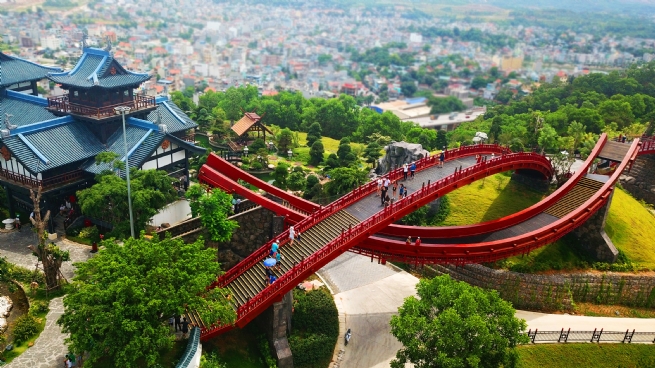
Retaining visitors amid growing destination competition remains a key challenge
Strong momentum in international visitor arrivals
Vietnam entered 2026 with unprecedented results, as international arrivals surpassed 21 million in 2025, rising more than 20% year on year and well above the 2019 peak. While many Asia-Pacific destinations continued to recover unevenly, this performance showed that Vietnam had moved beyond the post-pandemic phase into a period of substantive growth. Notably, momentum came not only from traditional source markets but also from strong expansion into long-haul, higher-spending markets.
The structure of international source markets shifted noticeably. China and Korea remained the largest contributors by volume, while the U.S., Canada, and several European countries posted double-digit growth in 2025. This expansion was supported by more open visa policies, especially longer-stay e-visas, along with the launch of additional direct international flights. More fundamentally, Vietnam’s reputation as a safe, stable destination with a strong cultural identity and reasonable costs continued to drive international visitor choice and repeat travel.
According to the United Nations World Tourism Organization (UN Tourism), Vietnam ranked among the world’s fastest-growing tourism markets in 2024-2025 and was one of the few Asian destinations to surpass pre-2019 levels. Many Vietnamese destinations continued to feature in reputable rankings voted by international readers, from heritage towns such as Hoi An to beach hubs like Phu Quoc. These recognitions reflected growing interest and goodwill among international travelers, positioning Vietnam not only as an emerging destination but also as a familiar choice on global itineraries.
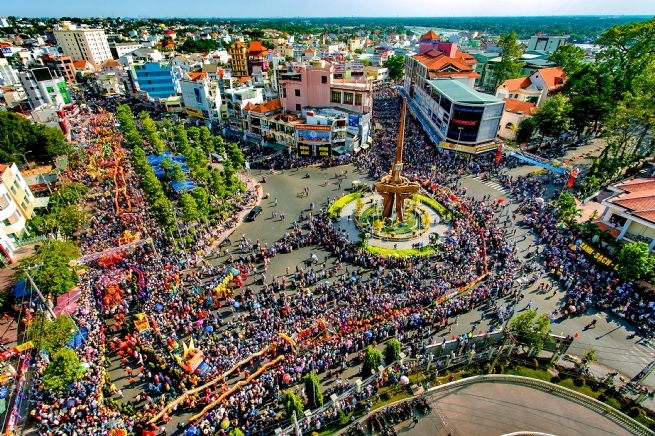
Competition now focuses on creating memorable, high-value visitor experiences rather than sheer numbers
Despite these positive assessments, Vietnam was still seen mainly as attractive for its landscapes, culture, and affordability, rather than for clearly differentiated, high-end experiences. Although arrivals grew rapidly, average visitor spending and repeat-visit rates remained lower than those of regional competitors such as Thailand, Singapore, and Indonesia. This gap pointed to the limits of a development model that relies largely on existing advantages, while product depth and service quality are still evolving.
The gap between visitor volume and value highlights the need for repositioning. As international travelers increasingly seek personalized experiences, wellness tourism, high-quality resorts, and sustainability-oriented products, Vietnam can no longer rely on being an “easy-access destination.” Instead, it must focus on creating deeper, more distinctive experiences that encourage repeat visits.
Minister of Culture, Sports and Tourism Nguyen Van Hung repeatedly called for tourism development that prioritizes sustainability, quality, and added value rather than growth in scale alone. During working sessions with UN Tourism in December 2025, he affirmed that the strong recovery and increase in visitor numbers were positive signs but not the ultimate goal. In his view, Vietnam needs to focus more on completing tourism products, upgrading service standards, and improving destination management capacity to generate long-term economic value and strengthen its competitive position on the global tourism map.
Challenge of value-based competition
The pressure to shift toward value-based competition has pushed Vietnam to adjust its approach. As international travelers increasingly seek personalized experiences, high-quality resorts, wellness tourism, and sustainability-oriented products, Vietnam can no longer rely solely on existing resources and must invest more in product design, service standardization, and destination management.
Pham Tien Dung, Director of GoldenTour, said arrivals from Europe, North America, and Australia saw clear growth in 2025, reflecting expansion into long-haul, higher-spending markets. However, this segment places high demands on service quality, personalization, and the depth of cultural experiences. If tourism products remain limited to traditional sightseeing and resort activities, Vietnam will struggle to retain these visitors amid intensifying competition among destinations.

Vietnam welcomes its first tourists of 2026
This reality aligns with UN Tourism assessments that, in the post-recovery phase, international tourism trends have shifted strongly toward thematic experiences linked to local identity, wellness, and sustainability, with the aim of extending stays and increasing per-trip spending. In response, GoldenTour and many international tour operators in Vietnam have proactively developed thematic tours and local experience itineraries combined with high-quality resorts. This approach seeks not only to raise trip value but also to create strong incentives for repeat visits, a core element of Vietnam’s shift toward value-based destination competition.
Corporate efforts, however, will be limited if infrastructure and environmental bottlenecks remain unresolved. Tourism experts point to overcrowding at major destinations, along with shortcomings in public space management, environmental protection, and human resources, as direct constraints on visitor experience. As competition among destinations intensifies, these weaknesses could quickly undermine Vietnam’s image and credibility in international markets.
More fundamentally, competition is no longer about attracting the highest number of visitors, but about which destinations create experiences distinctive enough to be remembered and worth higher spending. For Vietnam, the 21 million international arrivals recorded in 2025 represent both a major achievement and a test for the next phase of development. Without converting scale into value, volume advantages could quickly become pressure. Conversely, if visitor growth is translated into higher-quality experiences, Vietnam tourism will be well positioned to move into a higher tier of global competition.
By Giang Tu, Vietnam Business Forum





 Vietnamese





