

9:40:28 AM | 2/3/2026

Vietnam’s real estate market enters 2026 with strong price growth, while supply continues to be viewed as imbalanced. As market pressure intensifies, the Government and regulatory agencies have rolled out a series of measures to stabilize the market, expand supply, and improve transparency, aiming to meet the real needs of residents and businesses.
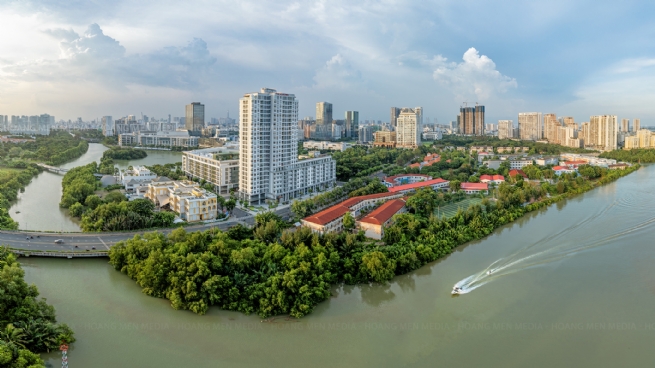
Housing prices in major cities continued to rise sharply during the 2024-2025 period
Rapid price growth amid persistent supply imbalance
Housing prices in major cities continued to rise sharply during the 2024-2025 period. “Housing and land prices in many localities have increased by an average of 10-15% per year, with some periods reaching up to 30%, while supply meeting real demand remains limited,” said Deputy Minister of Construction Nguyen Van Sinh.
The year 2025 marked a notable recovery in housing supply, but a clear imbalance remained between the high-end segment and the low-priced segment.
According to consolidated reports from market research agencies, residential real estate supply in 2025 recorded positive growth compared with 2024, with the number of projects and products licensed, implemented, and offered for sale reaching the highest level in the 2019-2025 period. A report by the Vietnam Association of Realtors’ Institute for Real Estate Market Evaluation (VARS IRE) showed that more than 128,000 new housing units were launched during the year, up nearly 88% from 2024 and the highest level in many recent years. However, almost all of this supply was concentrated in the mid- to high-end segment, while affordable apartments and low-priced housing were nearly absent from the primary market. This reinforced the imbalance in the supply-demand structure and limited access to housing for low- and middle-income urban households.
Data from the Ministry of Construction and market reports showed that by the end of 2025, the country had around 1,114 commercial housing and urban area projects with a total scale of more than 529,000 units, along with 698 social housing projects under implementation totaling more than 657,000 units, reaching about 62% of the target of 1 million social housing units for the 2021-2030 period. In 2025, Vietnam completed more than 102,000 social housing units, exceeding the annual plan target and providing support for the affordable housing segment, although this figure still accounted for only a small share of total market supply.
The Ho Chi Minh City Real Estate Association (HoREA) assessed that the city’s market was clearly out of sync. Affordable commercial housing was almost no longer available, while the high-end segment accounted for a large share, placing homebuyers with real housing needs in a difficult position.
The supply-demand gap continued to create mixed reactions in the market. Experts assessed that rapid price increases partly reflected expectations of economic recovery, but also posed risks if the supply structure remained misaligned. Investment capital seeking asset shelter continued to favor the high-end segment, while housing meeting real demand was not added at a corresponding pace.
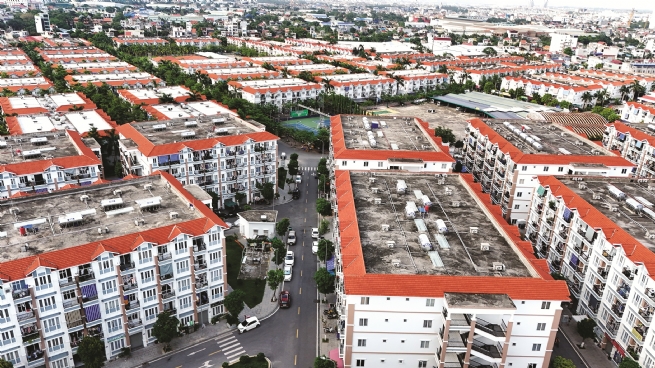
A social housing project developed by Hoang Huy Investment Financial Services JSC
Regulatory policies toward more sustainable market
To respond to price fluctuations and market imbalances, the Government has rolled out a series of measures to stabilize the market and promote sustainable supply.
A major focus has been the development of social housing and affordable commercial housing. Deputy Minister Nguyen Van Sinh said that the Ministry of Construction would “prioritize mechanisms for developing affordable commercial housing and social housing, streamline procedures, and reduce costs to increase supply for residents.”
The program to build at least 1 million social housing units for the 2021-2030 period has been accelerated. After exceeding the 2025 plan target, supply is expected to be supplemented by around 160,000 units in 2026, helping ease pressure on housing prices.
On the financial policy front, the Ministry of Construction proposed restricting loans for second and third home purchases, while tightening speculative credit to reduce pressure on the market.
Market transparency has also been viewed as a key factor for sustainable development. Proposals include mandatory transactions through state-managed exchanges and the disclosure of legal and transaction data to limit misinformation and speculative behavior.
One of the most important moves has been the plan to “unlock” thousands of projects facing legal obstacles nationwide through reviewing and standardizing procedures, determining financial obligations, and accelerating licensing timelines. This is expected to be a direct solution to expand supply and help cool the market in the medium term.
Regulators and businesses share the view that balancing supply expansion with credit risk control will be the key to building a more stable, transparent, and sustainable real estate market.
By Giang Tu, Vietnam Business Forum


 Vietnamese





