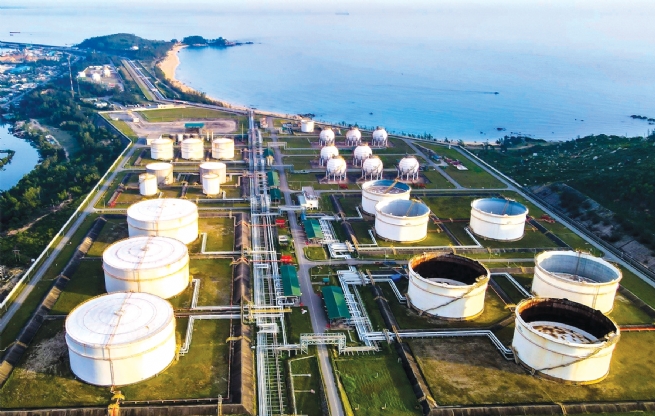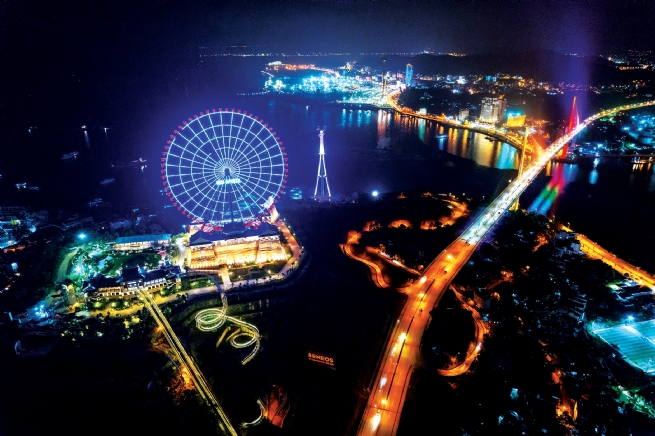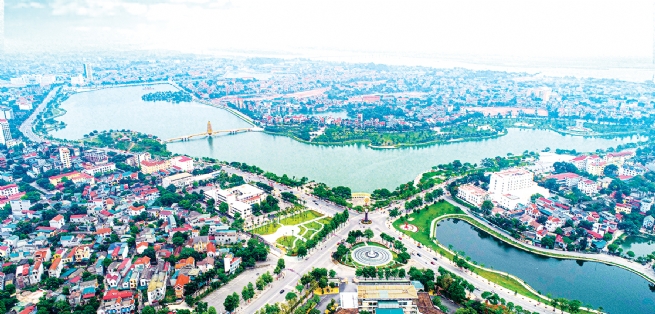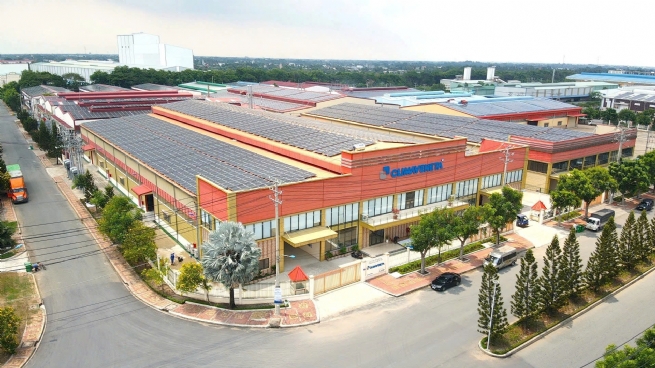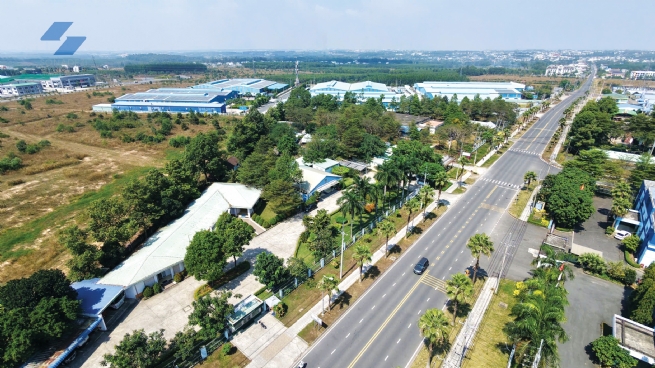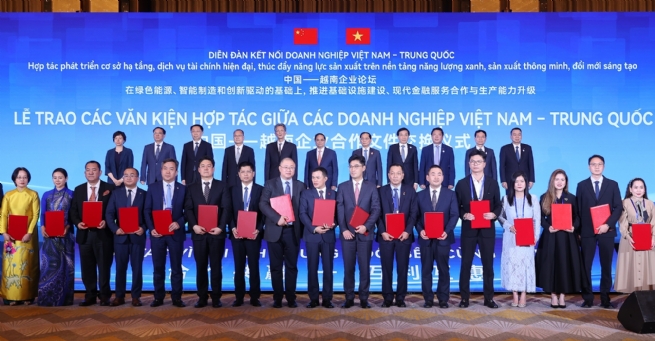
As industrial parks (IPs) and economic zones (EZs) continue to drive investment and growth in Vietnam, the need to improve policies and mechanisms governing their development has become more urgent.


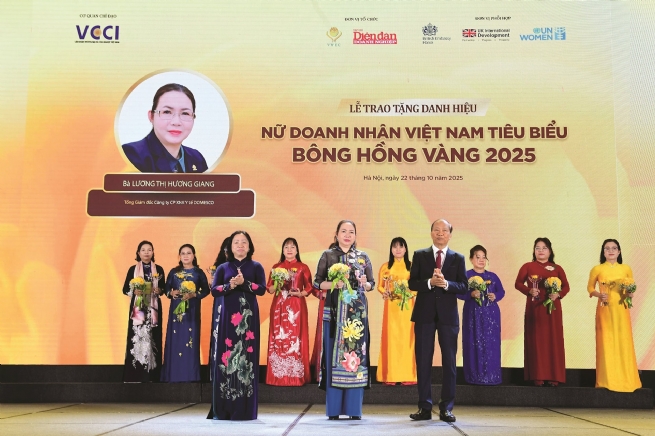
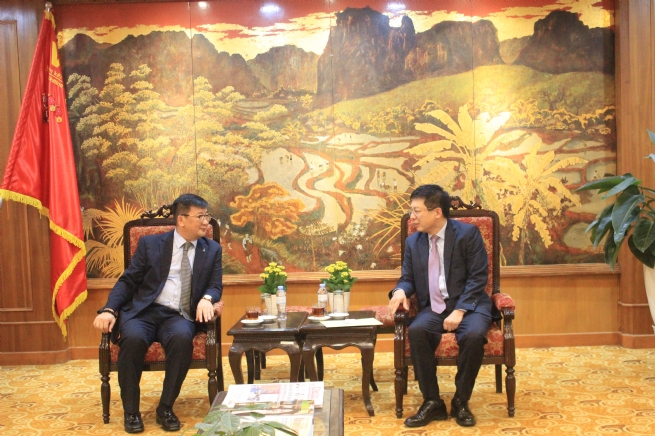
As the national organization representing the business community and entrepreneurs, the Vietnam Chamber of Commerce and Industry (VCCI) has consistently worked to build a strong community of entrepreneurs and enterprises that meet the requirements of a developed and modern nation, contributing to double-digit economic growth in the new development phase.
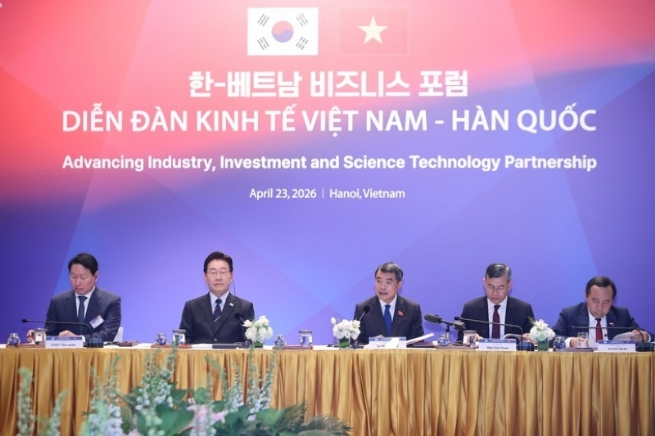
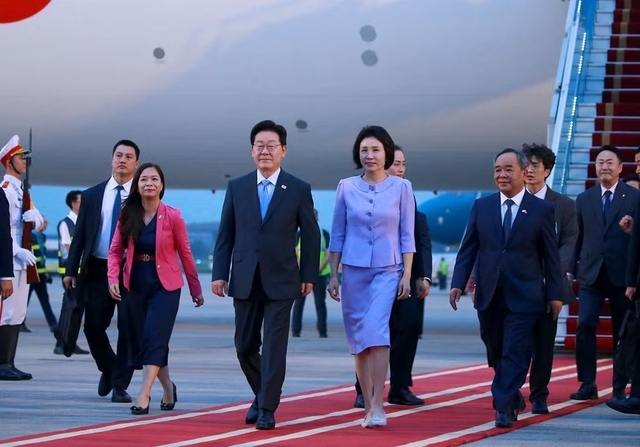
Vietnamese and South Korean businesses have signed 73 Memoranda of Understanding spanning a wide range of sectors, including energy, finance, technology, electronics, telecommunications, processing and manufacturing, mechanical engineering, construction, infrastructure, trade, tourism and aviation.
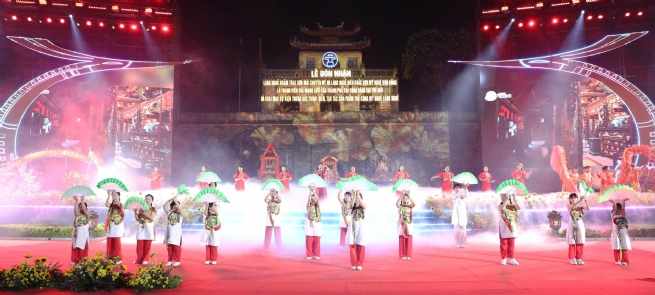
On the evening of May 8, at Imperial Citadel of Thang Long, the People’s Committee of Hanoi held a ceremony to celebrate the official recognition of Chuyen My mother-of-pearl inlay and lacquer craft village, and Son Dong wood carving and lacquerware craft village as members of the World Craft Cities Network.
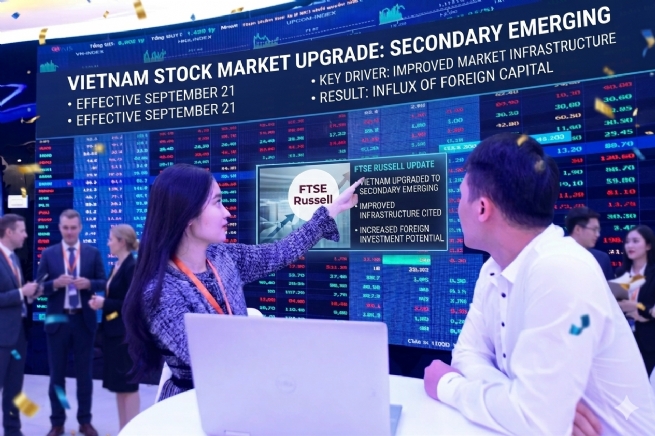
The decision to move Vietnam into the emerging market category places its stock market at the threshold of a new phase, accompanied by rigorous tests. As old barriers give way to global standards, a promising “billion-dollar” arena has officially begun, reserved for investors capable of adapting to stricter requirements.
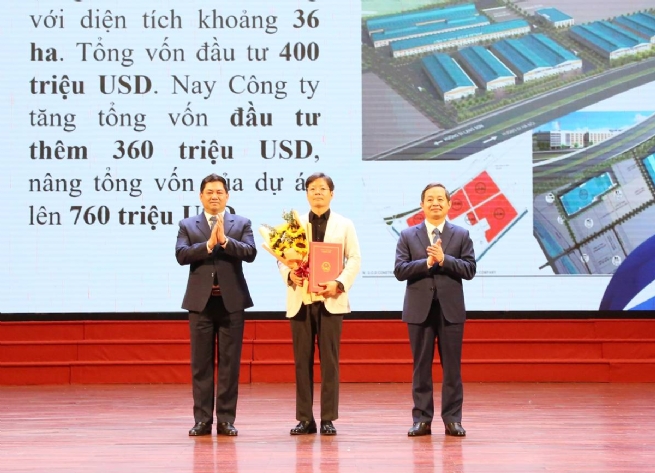
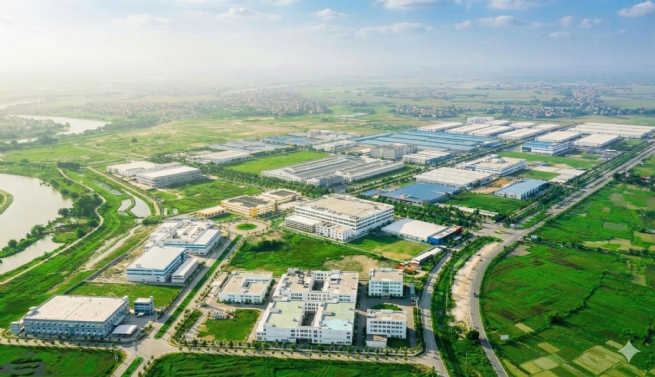
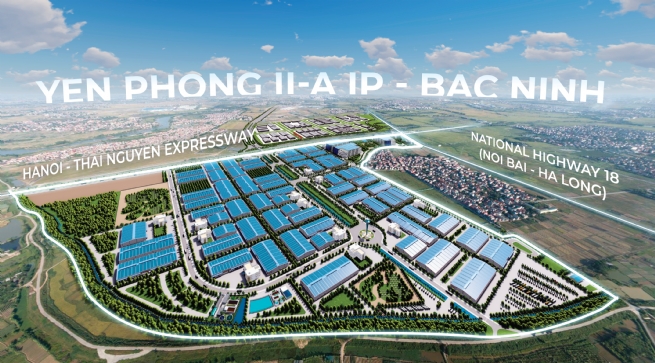
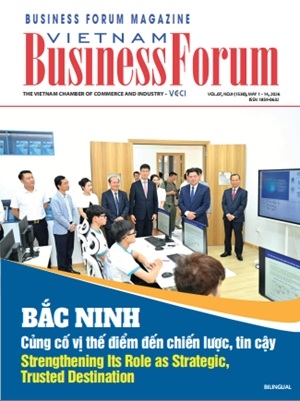
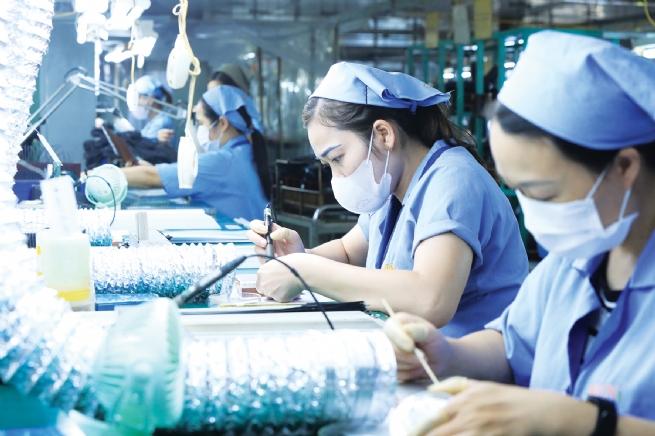
No longer pursuing quantity, industrial zones in Bac Ninh are shifting toward selective investment attraction, prioritizing high-tech and environmentally friendly projects.
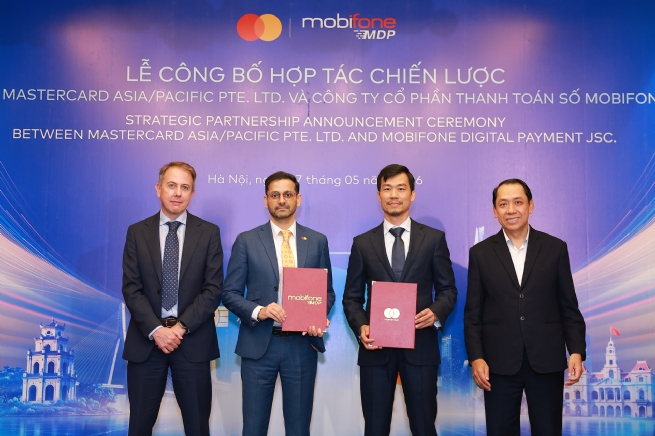
Mastercard and MobiFone Digital Payment Joint Stock Company (MDP) officially announced a strategic collaboration aimed at upgrading financial infrastructure and advancing digital payments in Vietnam. This milestone marks a significant step in anticipating digital transformation needs by delivering secure, innovative, and future-ready solutions.
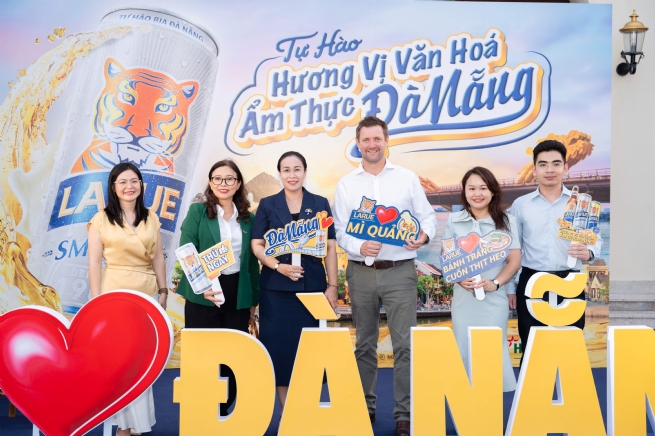
Larue – the brand of HEINEKEN Vietnam – has been officially announced by the Department of Culture, Sports and Tourism (DoCST) of Da Nang as a strategic partner of the Da Nang Food Tour Festival 2026. As part of the event, Larue signed a Memorandum of Understanding (MoU) with the DoCST under the theme "Larue – Proudly Embodying The Taste of Da Nang’s Culinary Culture", marking the brand’s first-time partnership with the Festival.
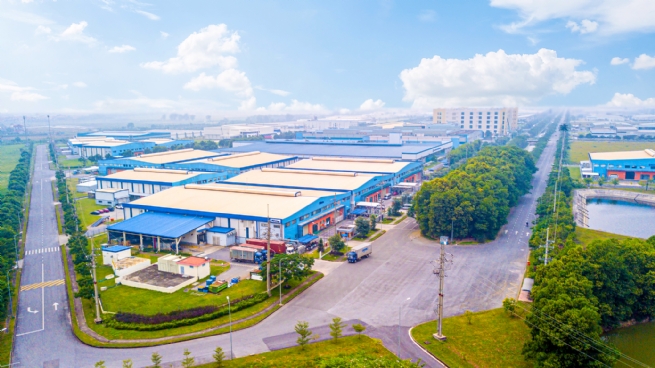
As integration deepens, participation in the supply chains of the foreign direct investment (FDI) sector offers both an opportunity and a test of the competitiveness of domestic enterprises. In Bac Ninh, this direction is being put into practice through a clear approach: moving beyond simple connections to focus on raising the standards of domestic firms.



 Vietnamese