


Science, technology and innovation have emerged as a new pillar in Vietnam-United States relationship. Saigon Hi-Tech Park (SHTP) stands out as a vibrant symbol of bilateral cooperation in the tech sector.
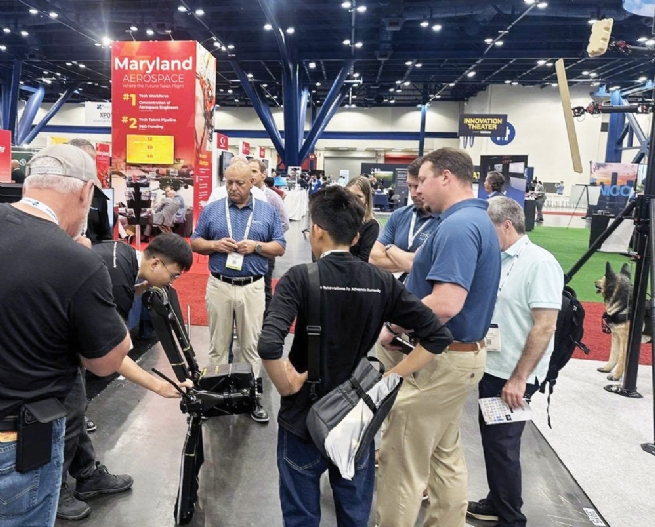
Technology and innovation are the core of bilateral ties
The year 2025 marks three decades since Vietnam and the United States established diplomatic relations, an extraordinary journey with remarkable progress in the two-way ties. The milestone of this journey was the Joint Statement in September 2023, where both nations elevated their relationship to the Comprehensive Strategic Partnership, laying out a shared vision for the future. Within this cooperation framework, science, technology and innovation have become a breakthrough pillar of the partnership. This represents a strategic shift from a relationship once centered around commercial interests to an enabling alliance where the two countries generate value in the most vital industries of the 21st century. Amid this context, SHTP - home to many global tech giants, including U.S. firms - has become a dynamic emblem of the Vietnam-U.S. technology partnership.
Asserting leadership in Vietnam’s chip development
The Vietnam-U.S. partnership in semiconductors is built on a solid foundation that has been proven over time and is now advancing along an ambitious path. This foundation was laid in 2006 when Intel made an investment in SHTP. This groundbreaking decision became a “golden seal of assurance” for Vietnam’s place on the global tech map. With a total investment exceeding US$1.5 billion, Intel’s facility in Vietnam is not only the largest assembly and test manufacturing (ATM) site in the company’s network but also contributes over 50% of Intel’s global ATM output, with a cumulative export value expected to reach US$100 billion by mid-2025. To date, SHTP has attracted 38 electronics and chip projects with nearly US$8 billion in total investment, underlining the strong growth potential and appeal of SHTP to this cutting-edge industry.
From its success in the manufacturing industry, Vietnam is now making a strategic leap toward higher-value segments by positioning itself as the country’s “technological heart” since it gradually builds a comprehensive chip ecosystem. Key initiatives include developing MEMS industry, adopting the “Wafer Lab to Fab” model, incubating semiconductor startups, and establishing the SHTP Chip Design Center and Chip Design Lab - core elements in Vietnam’s strategy to master chip design technology.
The launch of the SHTP Chip Design Center (SCDC) and strategic partnerships with U.S. tech giants like Synopsys are evidence of this vision. A notable early result is the contribution of 150 Vietnamese engineers to advanced 3nm chip design, affirming Vietnam’s intellectual capabilities and ushering in an era of “Designed by Vietnamese.”
In addition, the training and research ecosystem inside SHTP is growing increasingly robust, marked by the presence of top-tier educational and research institutions, notably including Fulbright University Vietnam - a typical symbol of the deep cooperation between Vietnam and the U.S. in education, science and innovation.
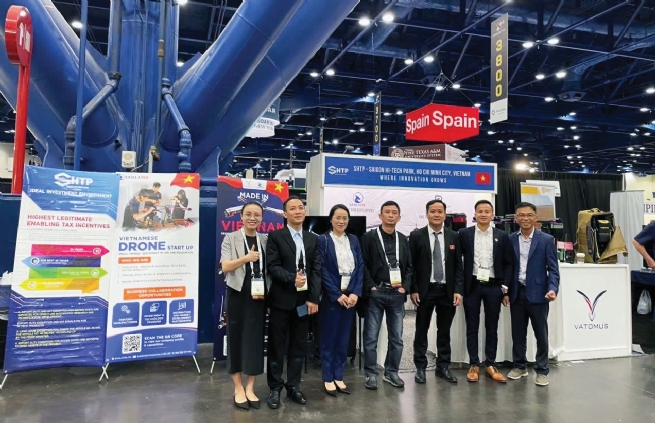
A proven model of success
SHTP has asserted itself as a premier destination for high-tech investment, a proven model of success and a strategic partner for global corporations. So far, SHTP has licensed 163 projects with a total investment of US$12.695 billion, including 50 FDI projects with US$10.38 billion and 112 domestic projects with US$2.314 billion. This favorable investment environment has attracted major players like Intel, Samsung, Jabil, Rockwell Automation, Sanofi and TTI, transforming SHTP into a dynamic technology ecosystem.
The success of SHTP is rooted in three solid strategic advantages. First, its complete infrastructure and location at the eastern gateway of Ho Chi Minh City offer critical domestic and international transport connectivity, strongly empowering logistics and supporting industries. Second, SHTP is one of the three pillars of the innovation ecosystem, closely linked with Vietnam National University Ho Chi Minh City and the future financial center in Thu Thiem. It plays a central role in facilitating the “flow of knowledge” among academia, businesses and government. Third, investors at SHTP always enjoy top-tier investment incentives under Vietnamese law, reinforced by important policies such as the National Assembly’s Resolution 98/2023/QH15 and the Government’s Decree 10/2024/ND-CP dated February 1, 2024 and Decree 84/2024/ND-CP dated July 10, 2024, which decentralize certain state management powers to the Ho Chi Minh City government, thus providing powerful leverage for development.
Looking ahead, SHTP aims to become Vietnam’s key chip development hub, targeting to draw at least 20 chip companies. This vision not only synergizes with the national strategy but also aligns with the shared interests of Vietnam and international partners, especially the U.S., in building a secure and sustainable global supply chain.
This shared vision for the future is reinforced by strong consensus among leaders and stakeholders. The Management Board of Saigon Hi-Tech Park pledged to continue supporting businesses with a spirit of “activeness - flexibility - creativity.” On the U.S. side, Ambassador to Vietnam Marc Knapper has repeatedly affirmed the commitment to supporting “a strong, independent, resilient and prosperous Vietnam,” while highlighting the significant interest from U.S. technology companies. The U.S. business community, through the U.S.-ASEAN Business Council (USABC), has also expressed a strong desire to deepen cooperation.
These unified voices deliver a consistent and credible message: Saigon Hi-Tech Park is not only a compelling investment destination but also a strategic partner, a proven model of success, and the heart of the Vietnam-U.S. technology partnership in the new era.
Source: Vietnam Business Forum





 Vietnamese
